


Kathi-Sue's Cache of
Artistic and Creative Corners
Ideas for what to do between tumbling passes from
very simple movements to over-the-top,
and examples of artistry
Updated 28 February 2026
Beginning January 2026 MAG floor routines must have different choreographic elements in each corner.
Gone are the days when gymnasts could just do a little turning hop into the corner
between every single tumbling pass.
Each corner must be different, or face a -0.3 Neutral Deduction.
All of this must be done with artistic flair to avoid a
-0.1 E jury deduction each time for movements that lack artistry.
The following are examples of various ideas for corner choreography.
Keep in mind that corner choreography does not need to be elaborate or overly complicated.
A step with the leg above horizontal, a simple kneel, or turn of at least 180° will suffice.
However, even simple movements need to be done in an artistic manner.
It isn't what you do, but how you do it.
I've added my personal comments about the levels of artistry for some of the examples.
Steps & Turns
Corner transitions do not need to be elaborate or overly complicated.
Steps with leg above horizontal, a step with a lunge, and simple turns can be performed without lack of artistry deductions.
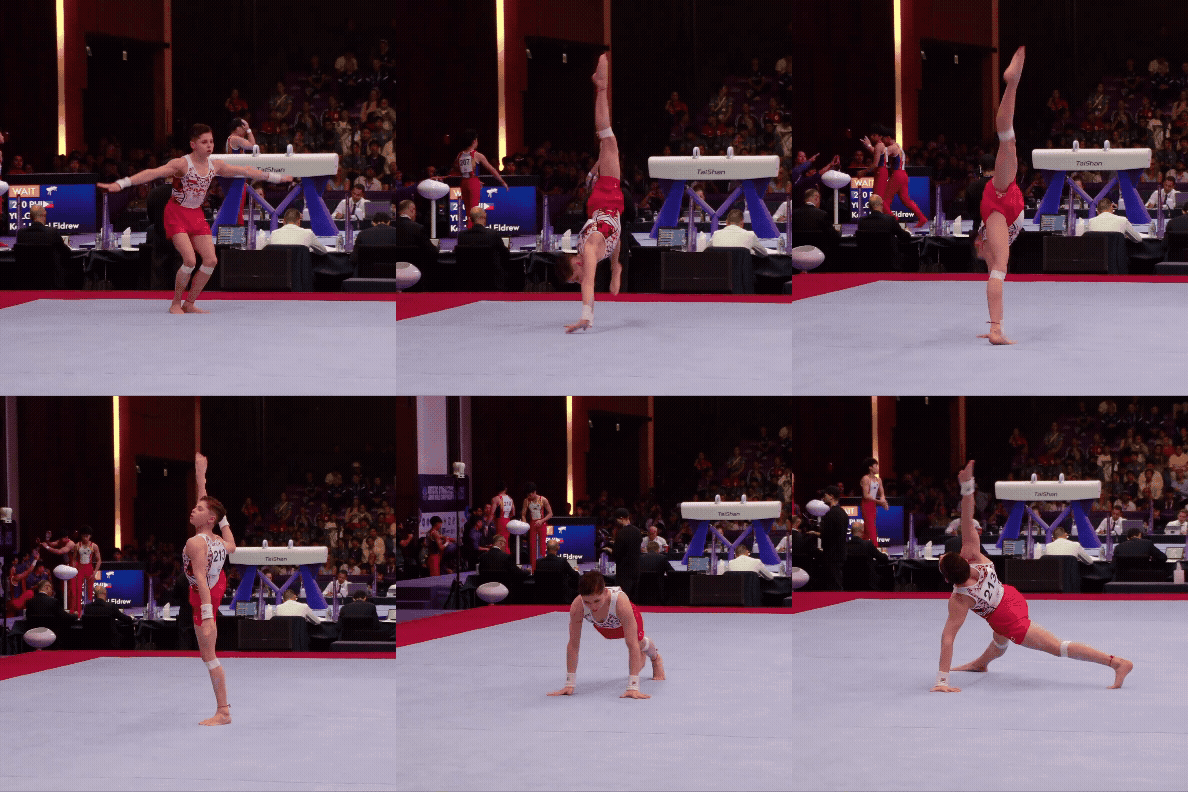
A kicking step with leg above horizontal can add artistry to simple moves
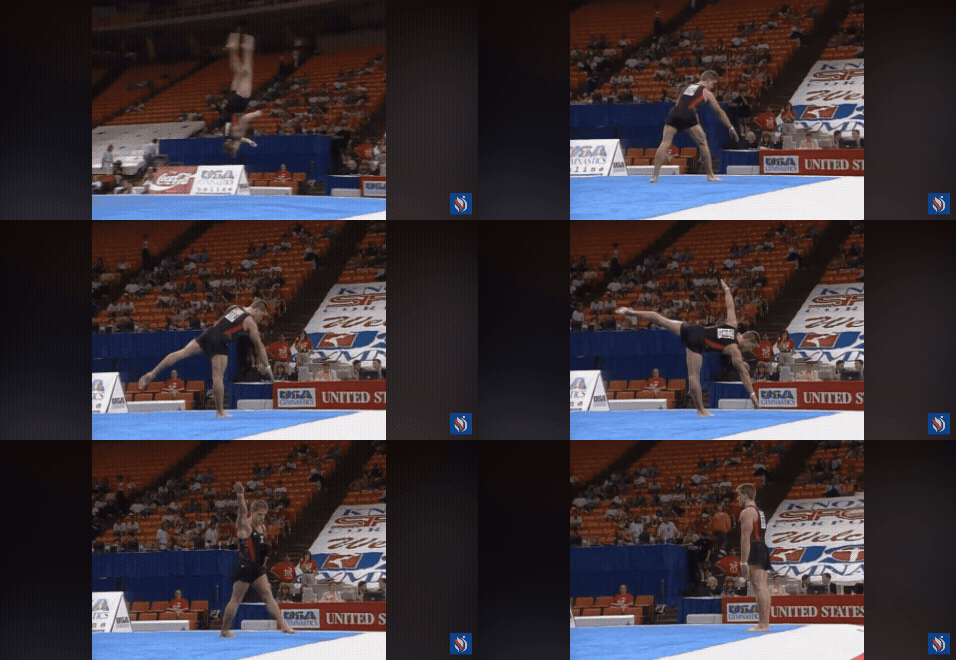
Simple, deliberate steps with intention are all you need.
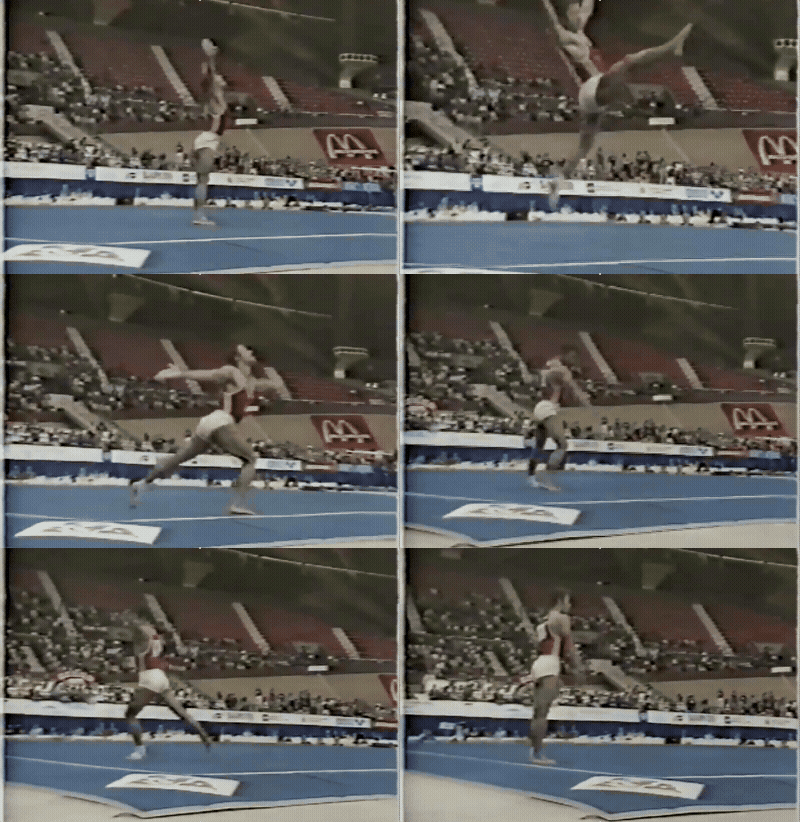
Remember that gymnasts now need to show a controlled landing out of tumbling passes and can't jump directly to prone from a salto as the gymnast does in the example above.
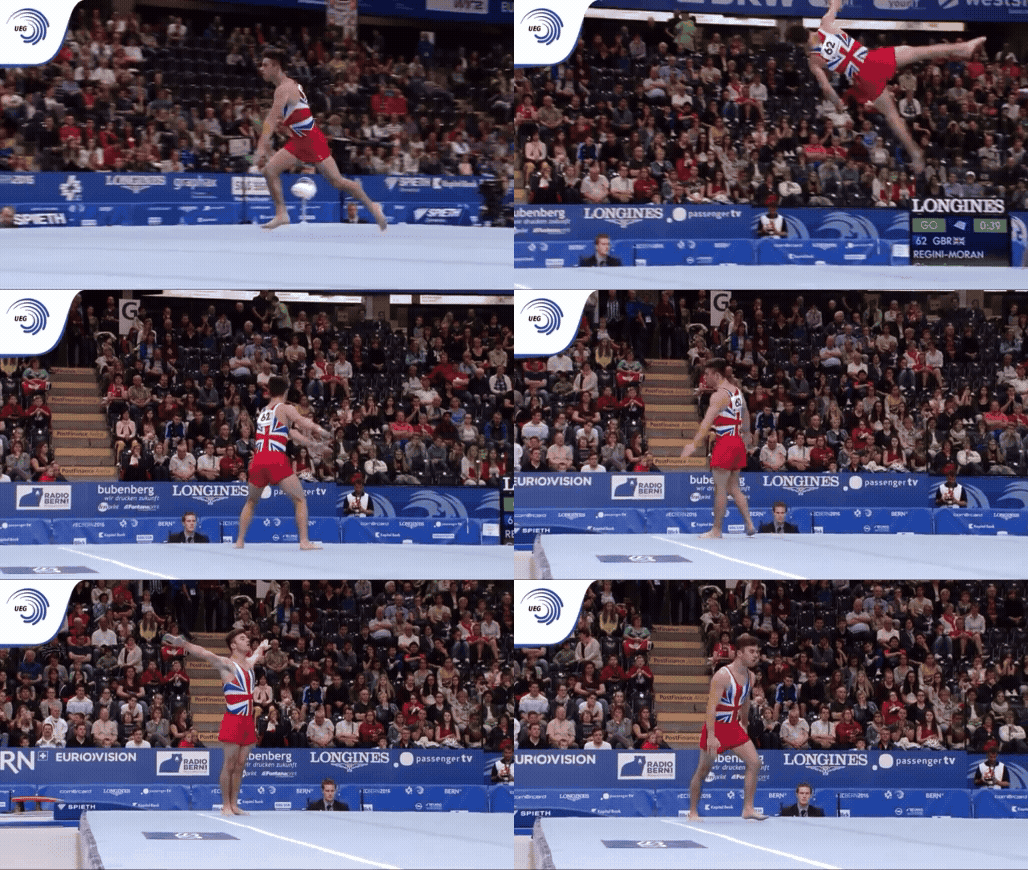
Above: Chasse with a clear-cut 270° turn in the corner
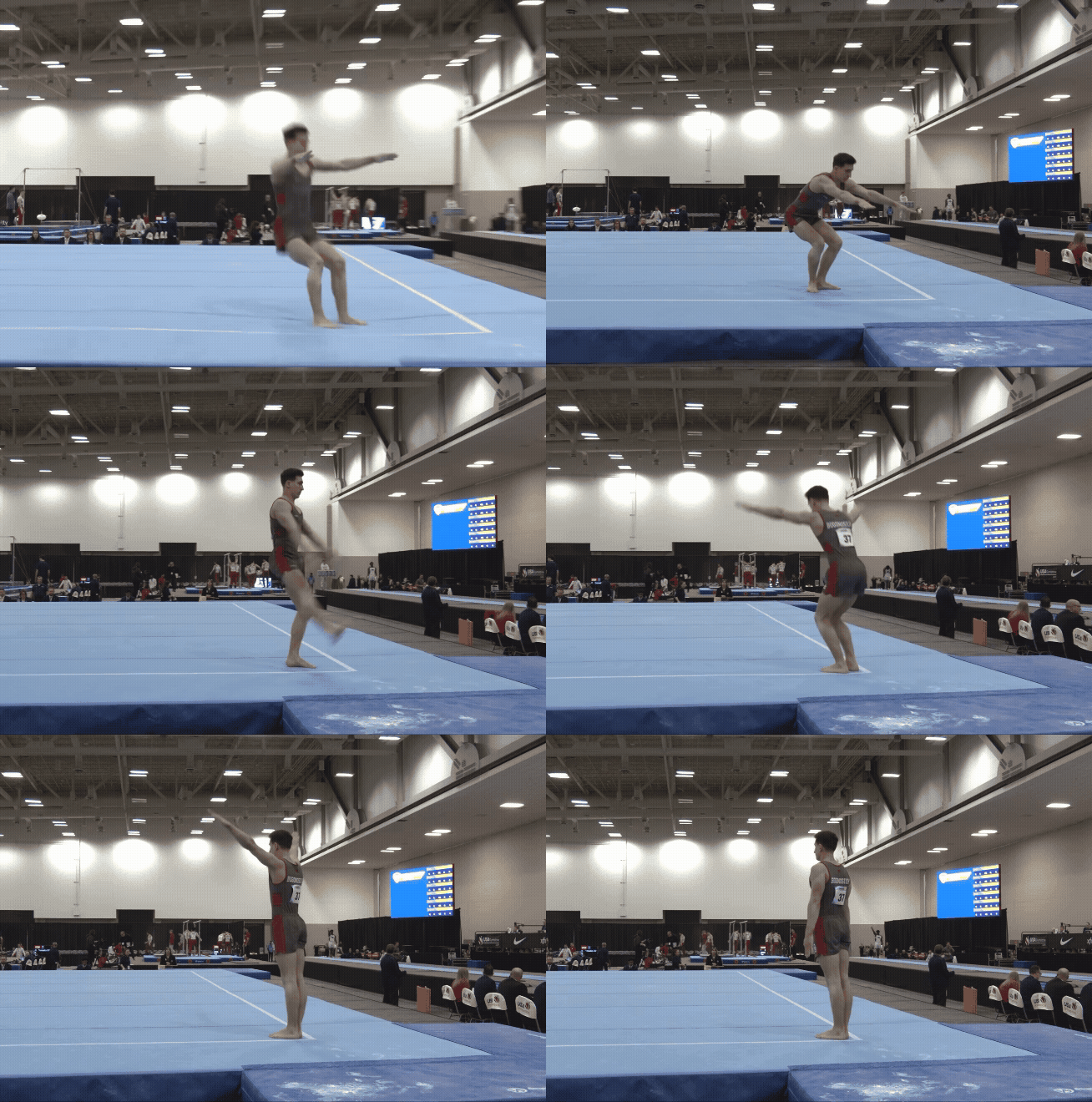
Above: Assemblé with turn
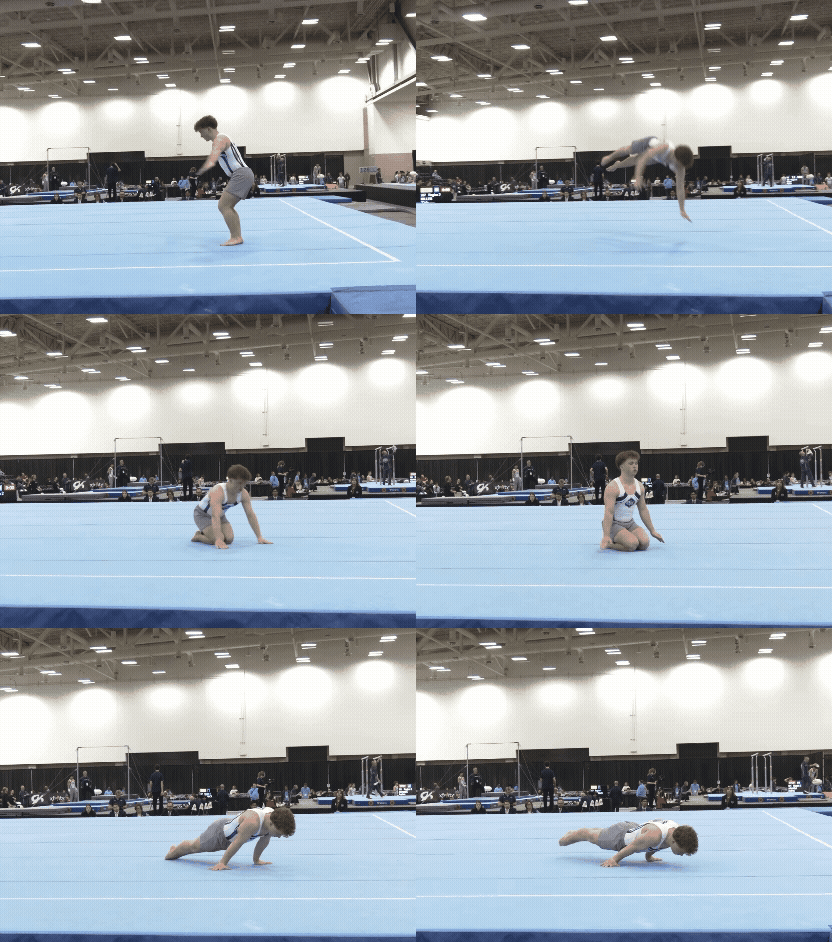
Above: Step hop with turn to prone
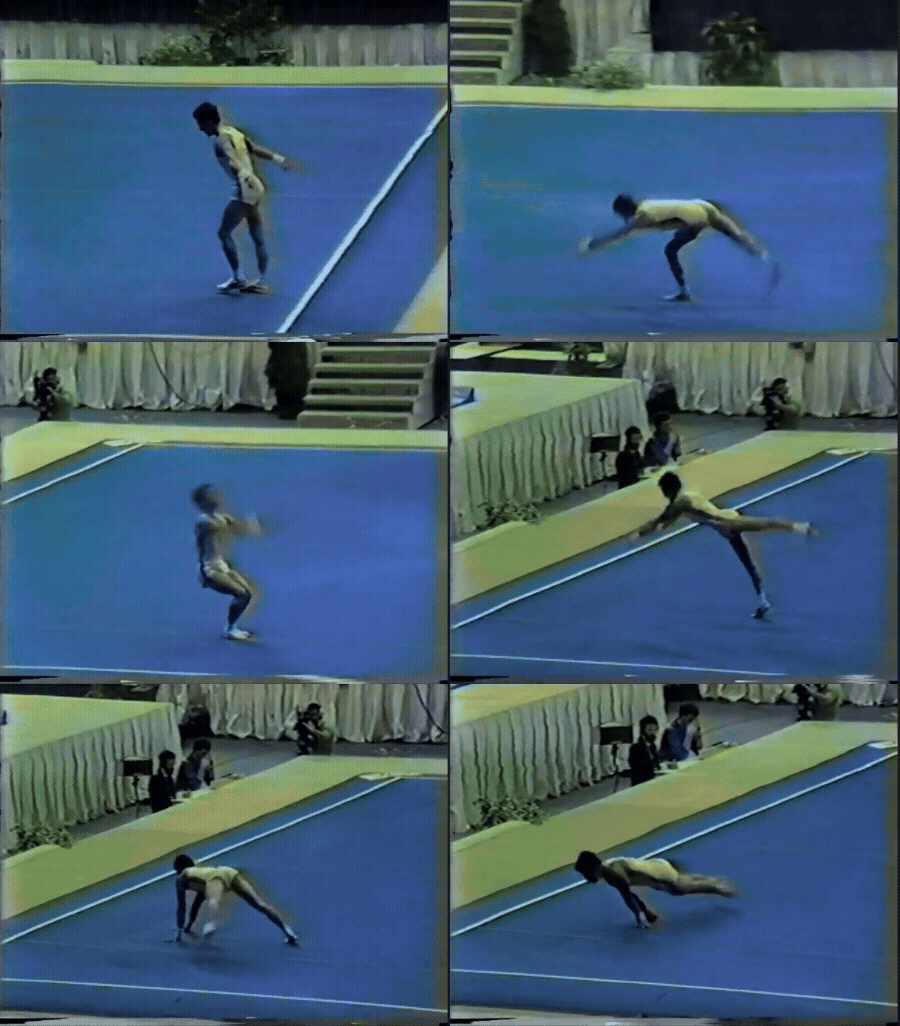
The turn to Swedish fall above flows directly from the backhandspring step out,
and is permissible as the backhandspring is not a salto element
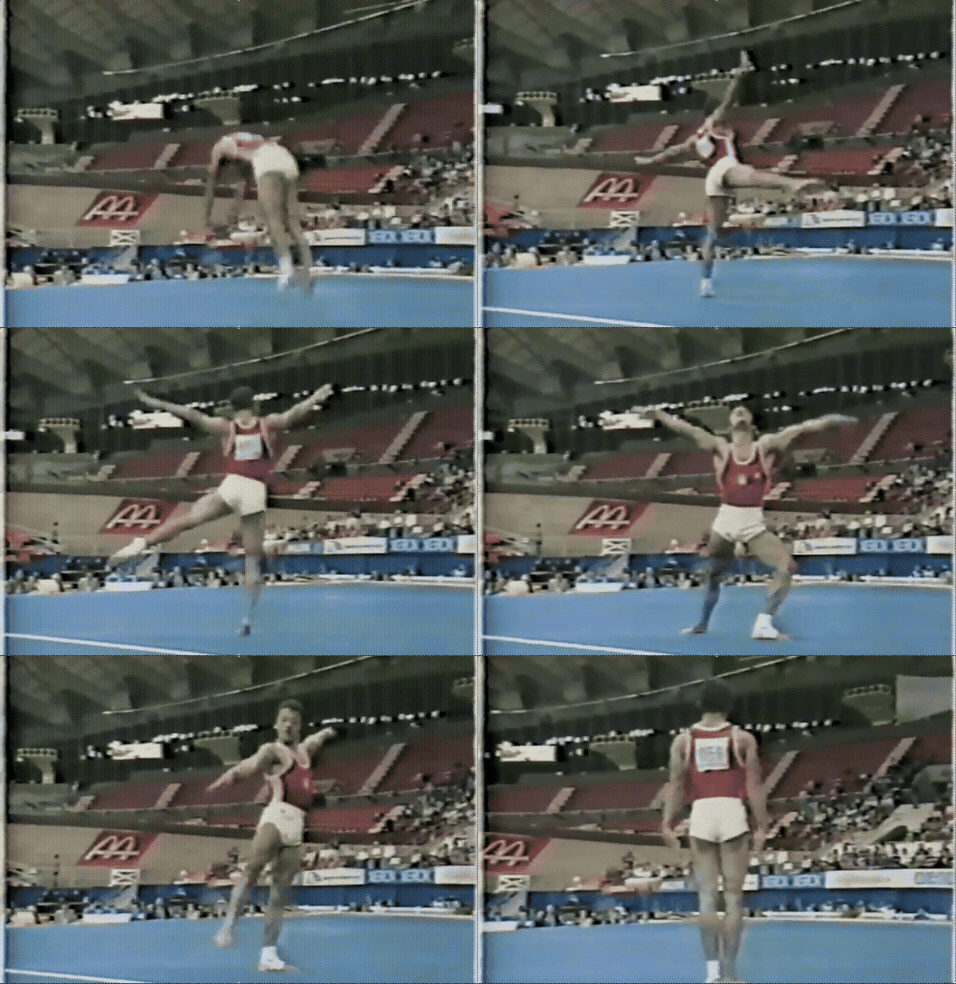
The gymnast above lifts his leg to horizontal before the turn and
lifts his head on the lunge, adding a touch of finesse.
Just as you might see multiple round-offs in the same floor routine,
Some corner transition movements, such as a step with the leg above horizontal,
may be used more than once in combination with other movements.
For example, a step with the leg above horizontal leading to a hitch kick in one corner, and a step with the leg above horizontal following a stag jump in another.
However, it would be wise to
avoid repeating the same jumps and leaps in combination with other elements.
There are so many different leaps, jumps, hops, turns, steps etc...
Try to have a different genre in each corner,
not just a slight nuance that might be missed.
Jumps, Hops & Leaps
Multiple jumps, hops, and leaps can be used in the same routine as long as they are different from each other
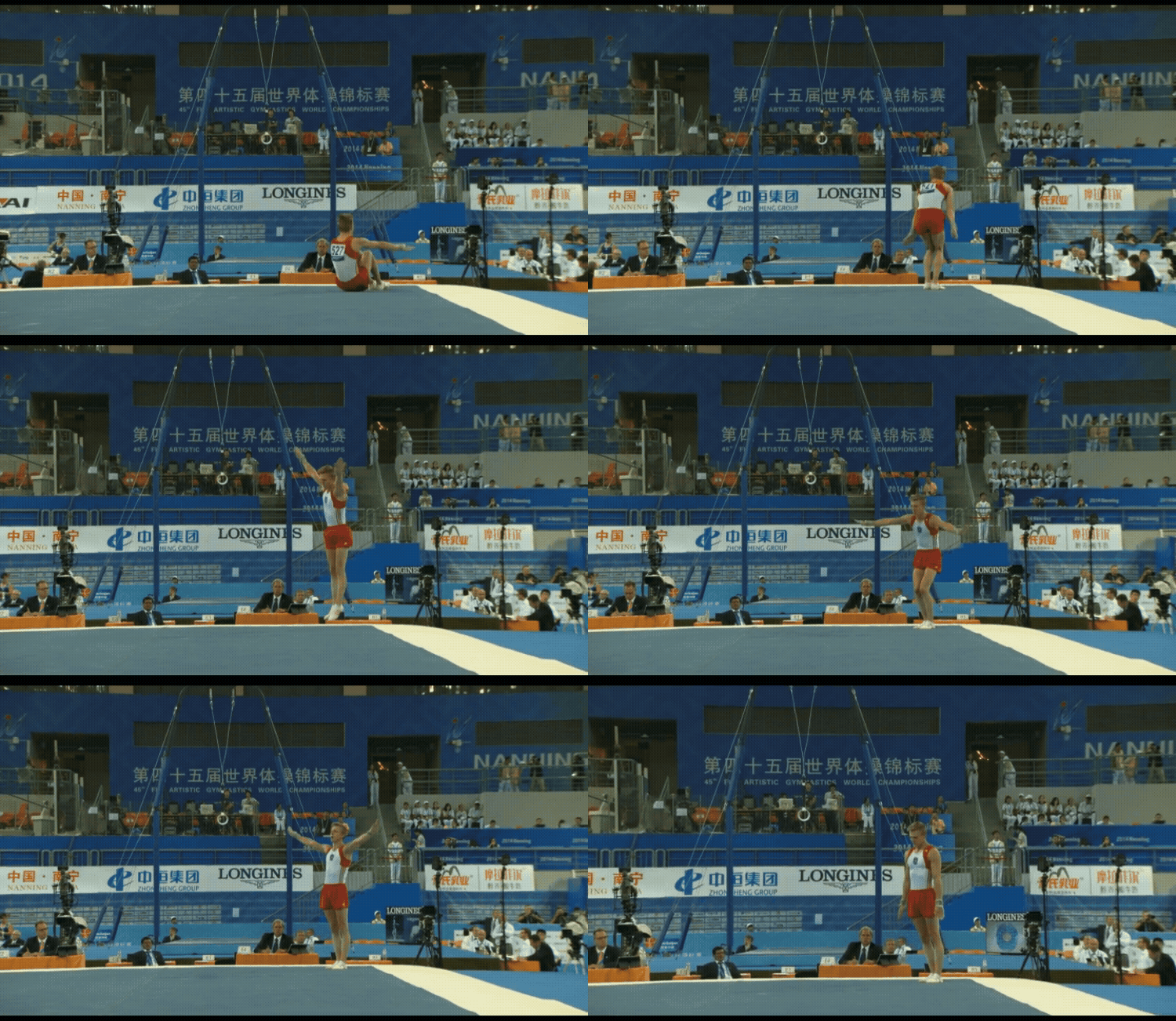
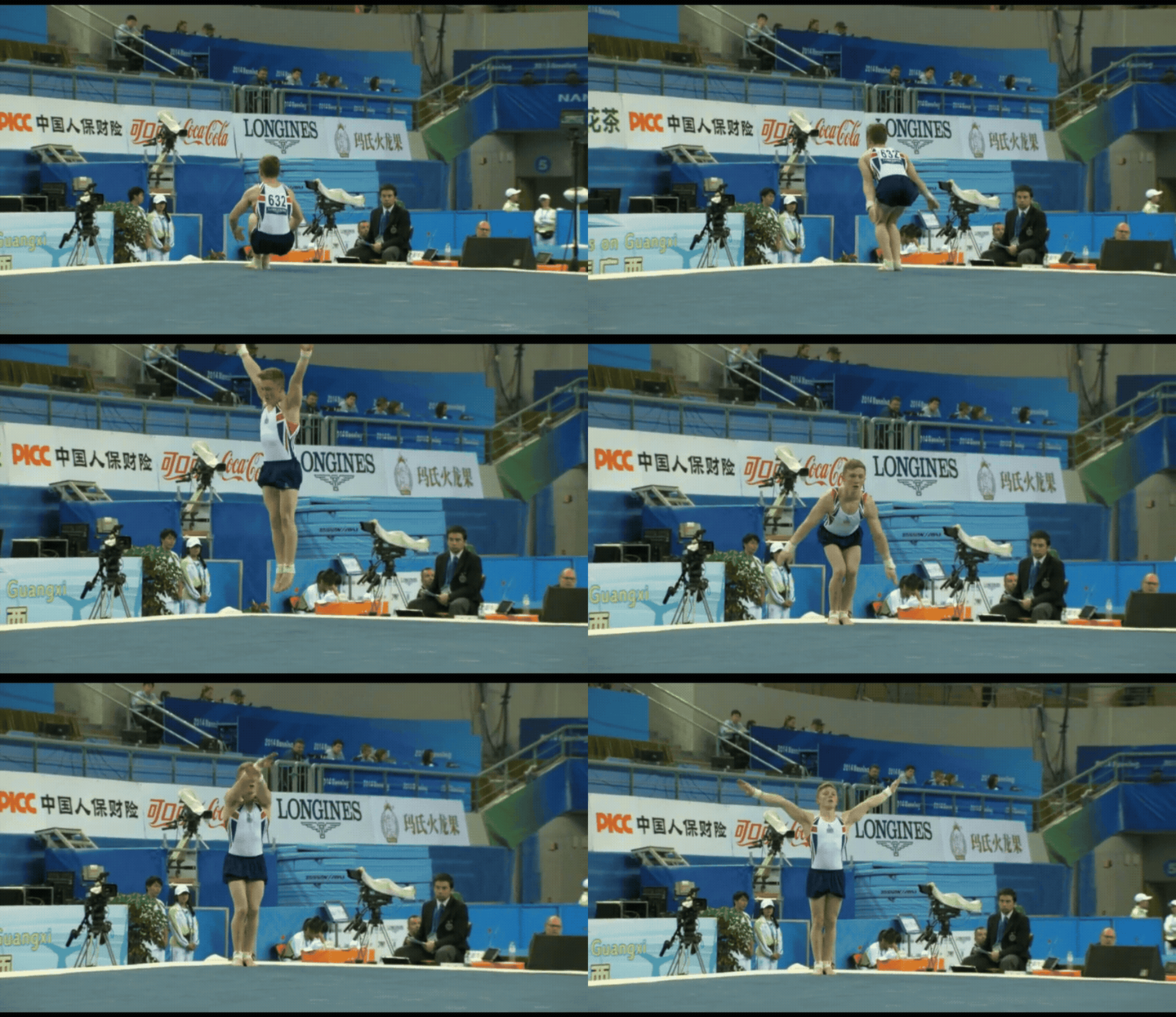
A jump 1/2 turn is a quick and easy turn in the corner.
Subtle things can make a difference in artistic presentation.
The gymnast below lifts his head, extends his arms all the way through his fingertips
and points his feet underneath him during the jump
better than the gymnast above.
Hitch kicks are simple leaps that look clean.
The ones below have nice steps with the leg above horizontal, going in and out of the hitch kick
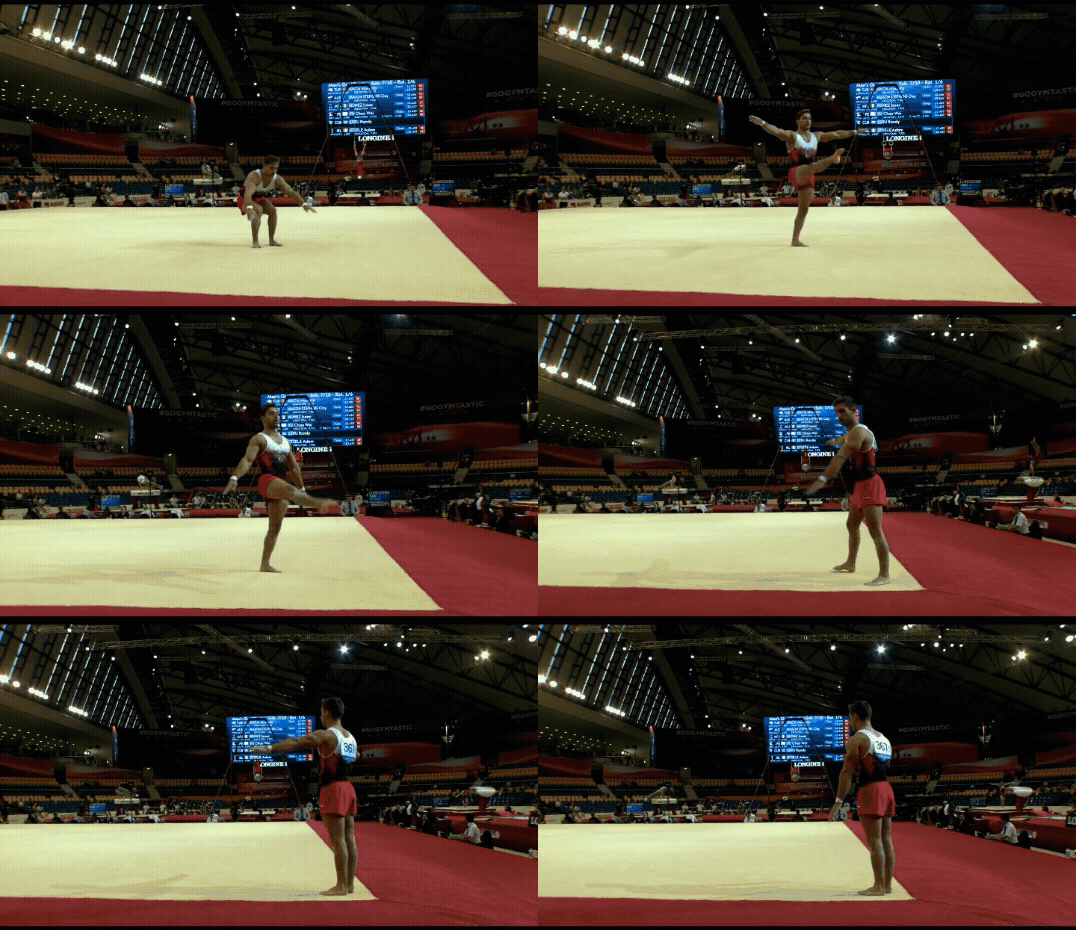
Notice the difference extension through the feet and hands makes in the presentation.
A good hitch kick will have each leg above horizontal at some point during the leap.
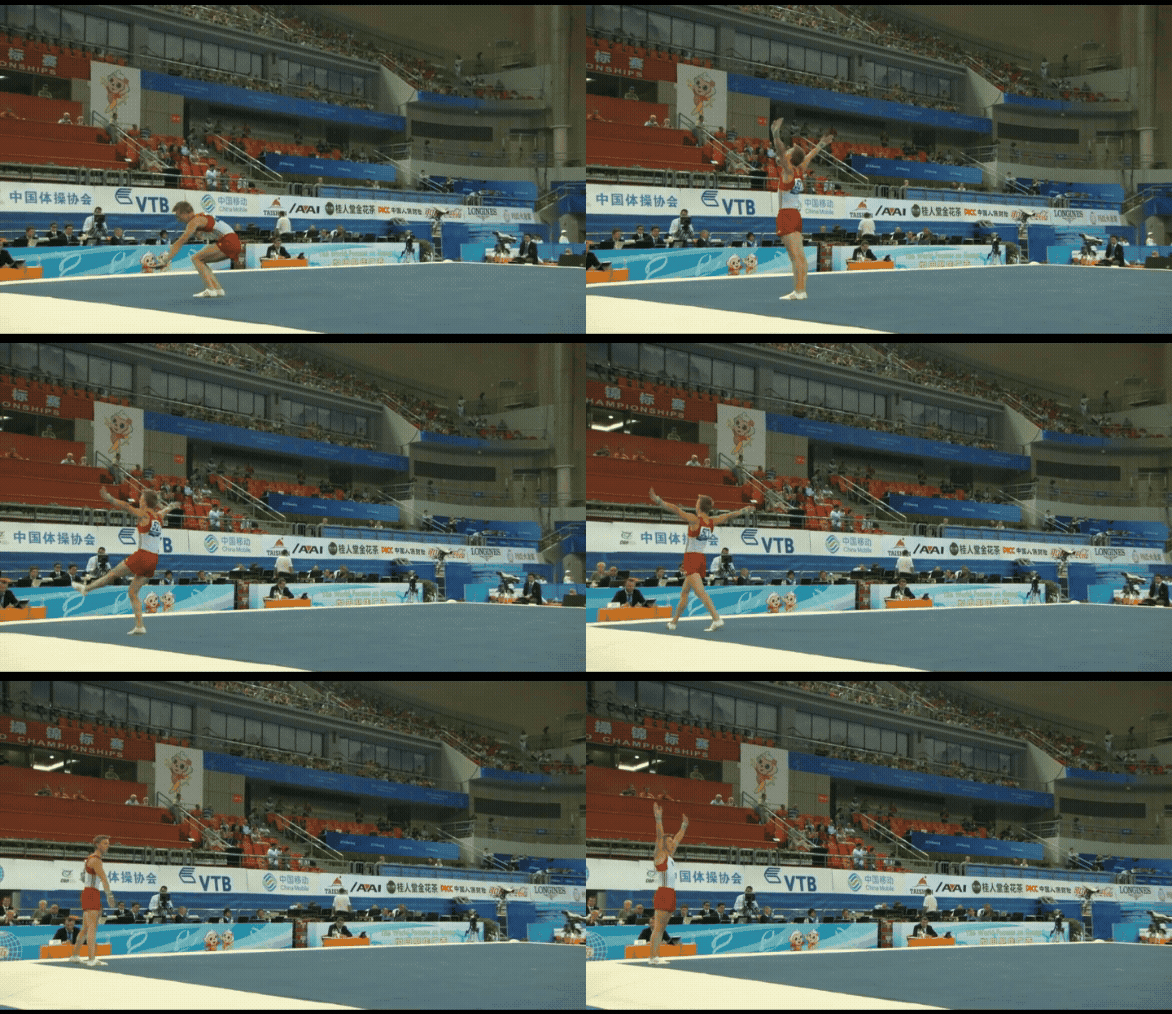
It is still possible to do the small scissone 1/2 turn that
nearly everyone used to do between every tumbling pass, like the one below.
However, it needs to be done with amplitude, and intentional arm positions.

Bringing the arms above horizontal during the jump gives it a touch more artistry.
The little head lift before the fall to prone further elevates this sequence below.
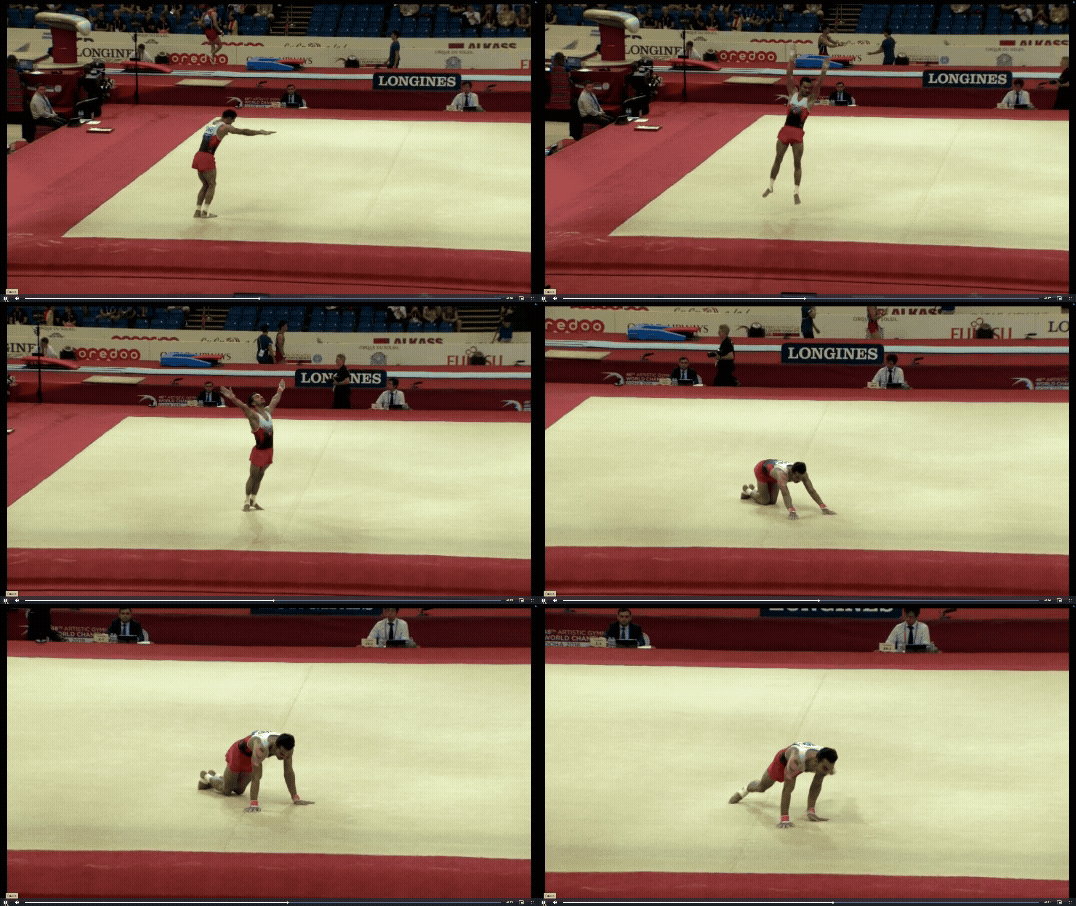
I expect stag jumps and leaps to be quite popular this cycle.
A stag position is one in which the front leg is bent.
The back leg can be either straight or deliberately bent (double stag)
Even though there are many varieties of stags that can be performed, I would recommend only doing one.
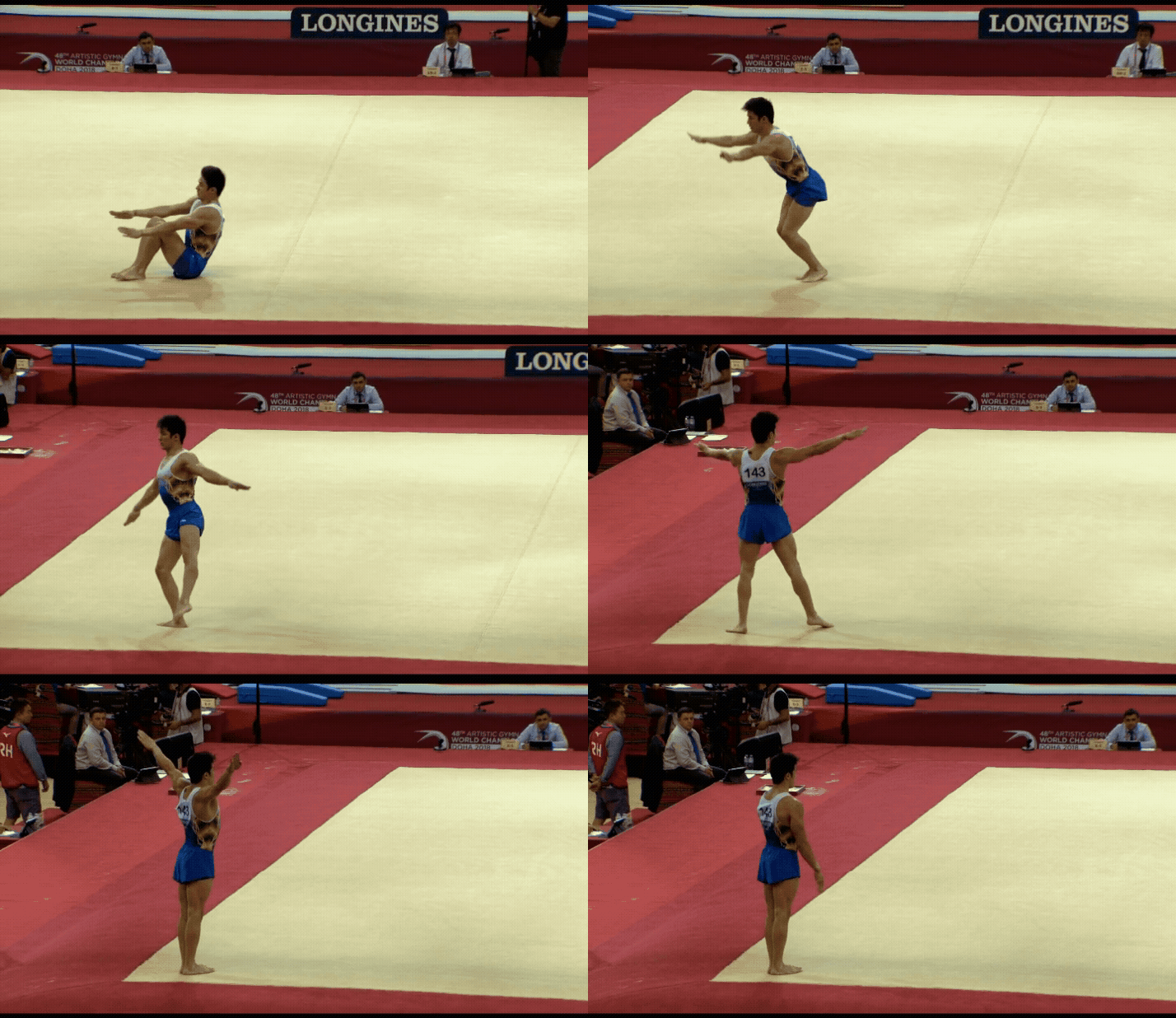
Above & below: Straight forward Stag Jumps without turns
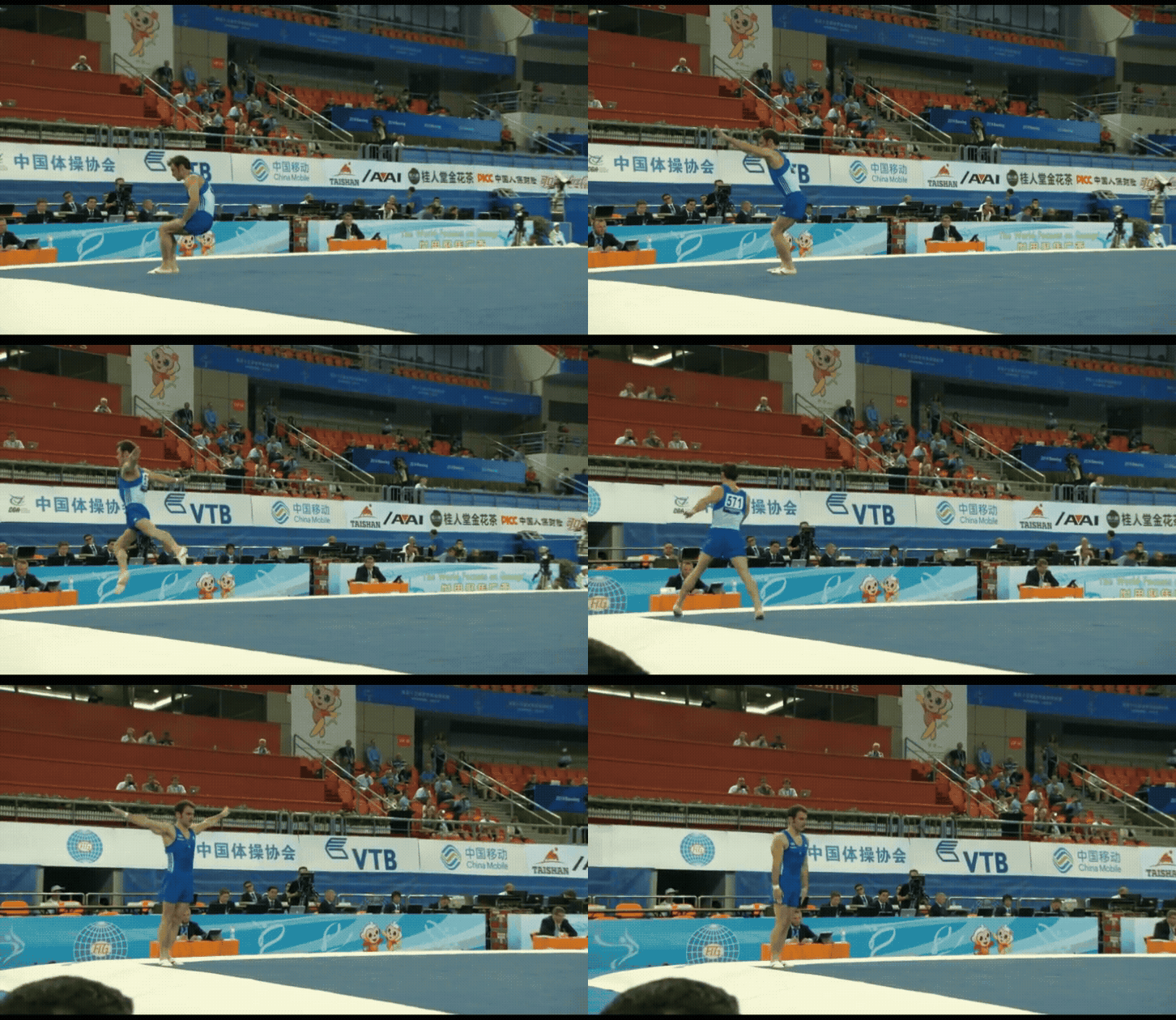
Below: Stag Jump with turn
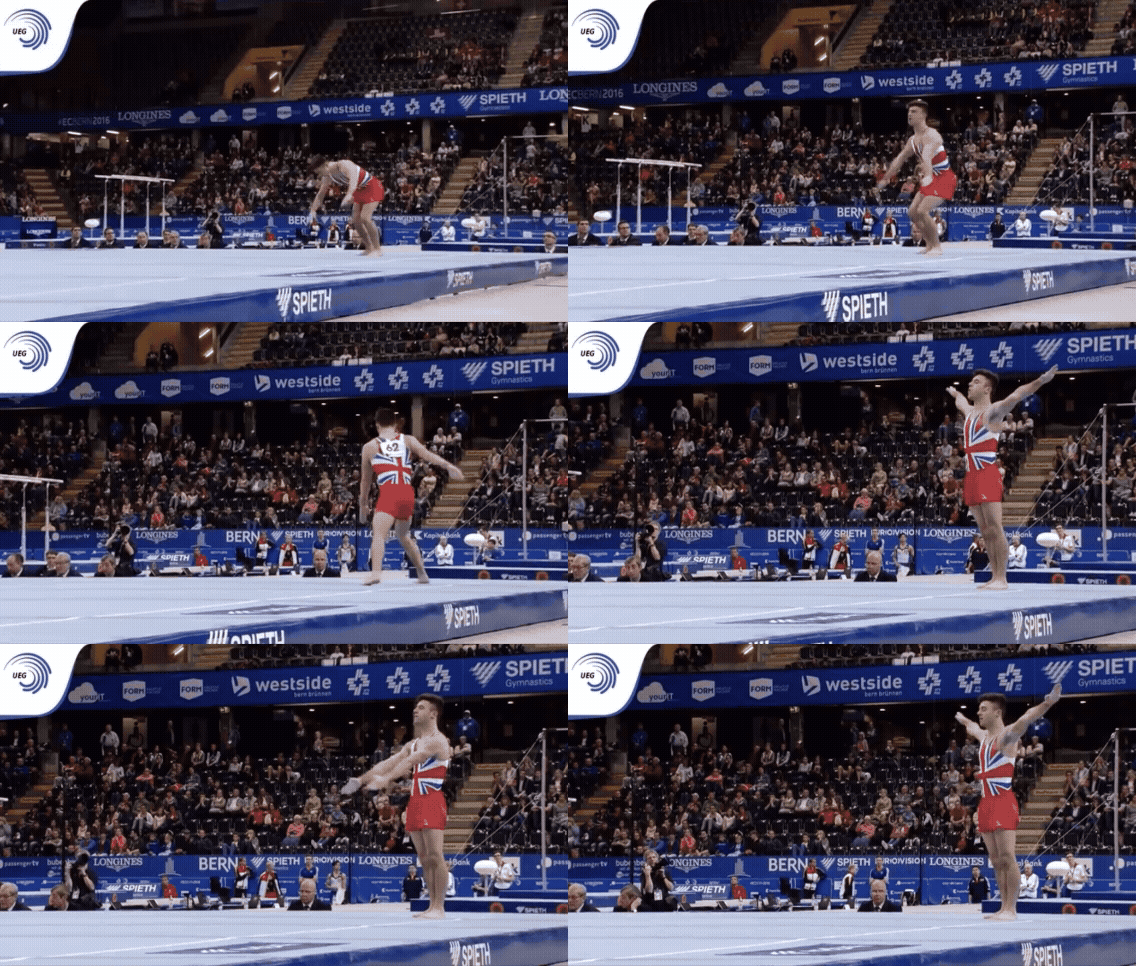
Below: Stag Leap with turn
A leap takes off from one foot, whereas a jump takes off from both feet.
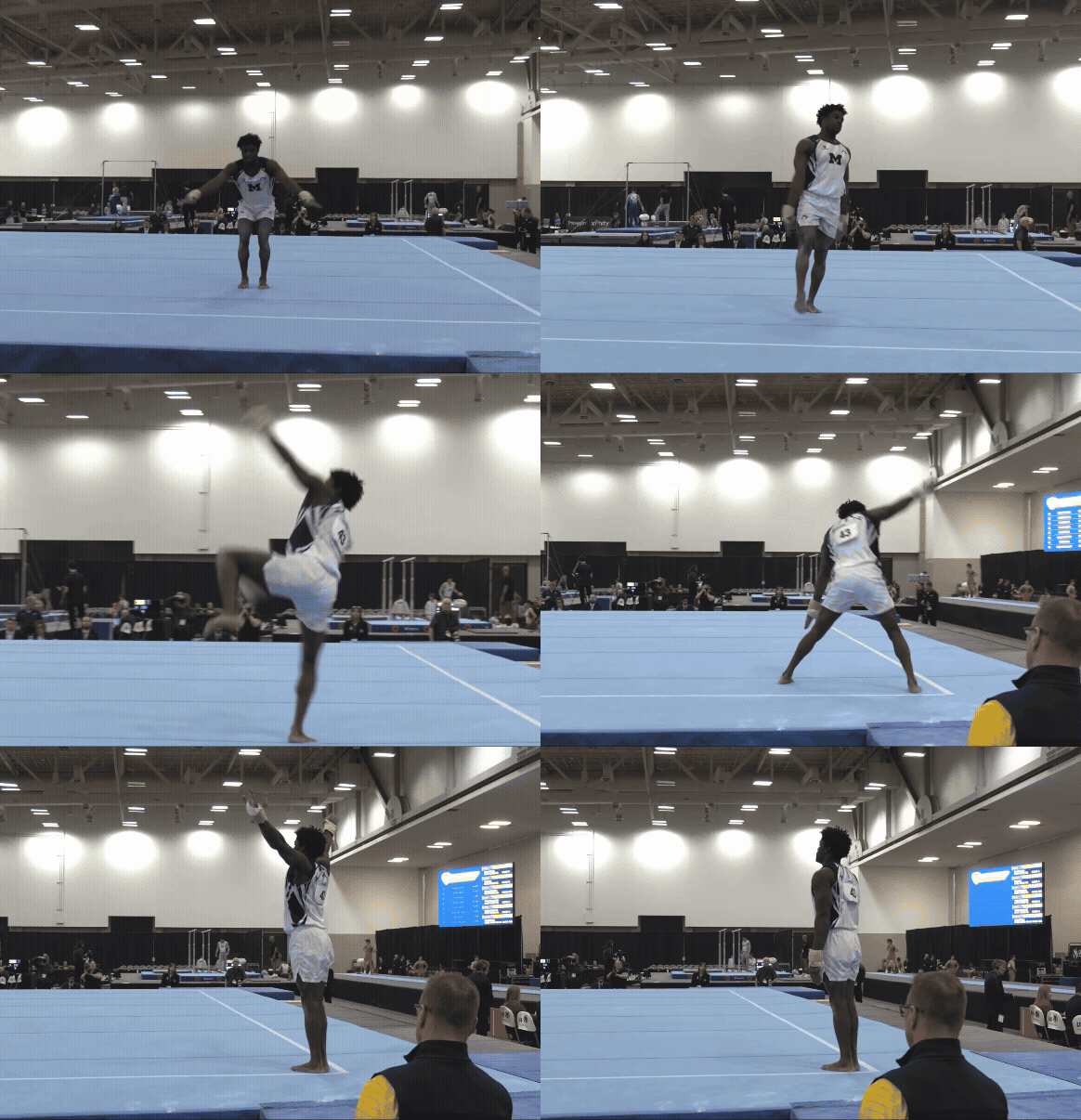
Jumps and leaps done in combination make for more interesting transitions like the one below
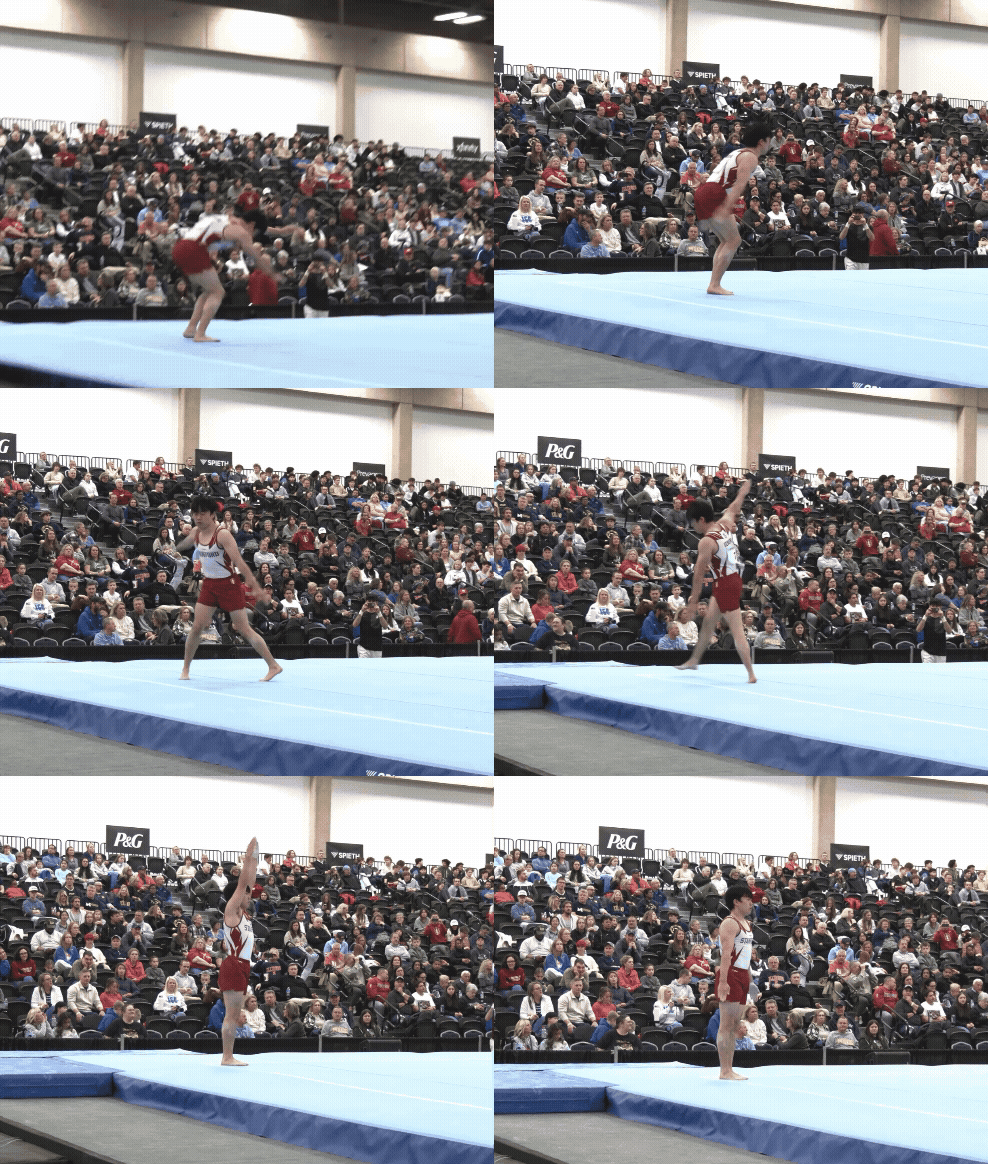
Below: Stag Hop without turn
A hop takes off from one foot and lands back on the same foot
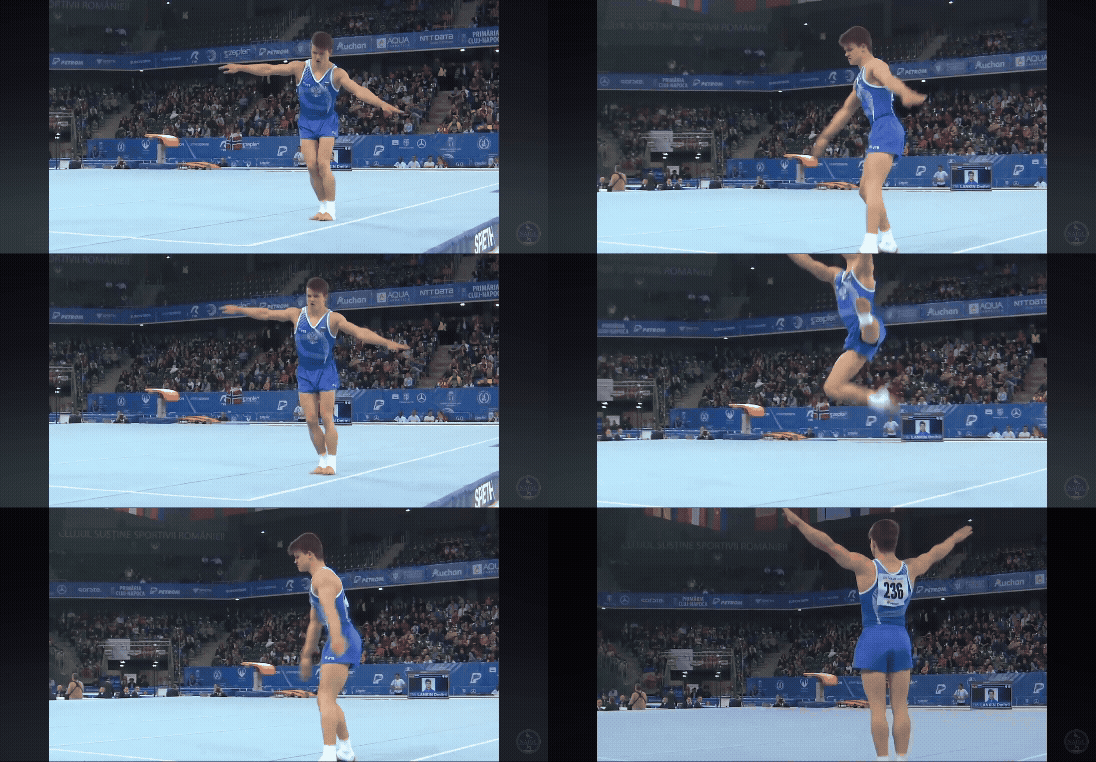
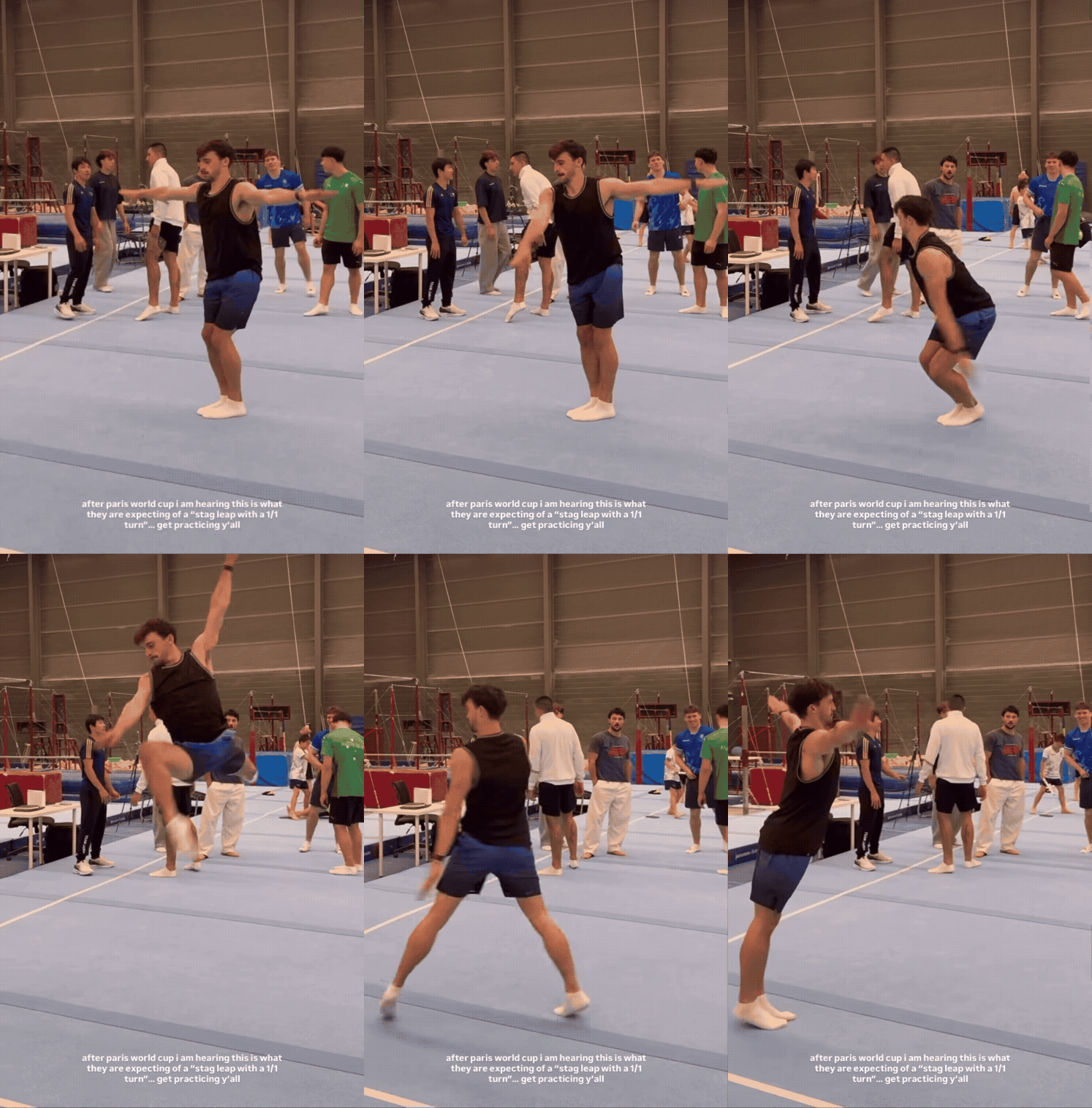
Stag Jumps or Leaps with 1/1 Turn (below) As of Newsletter #3 will no longer fulfill the Artistic Element requirement.
However, a gymnast can still get credit for an A value element (I.73)
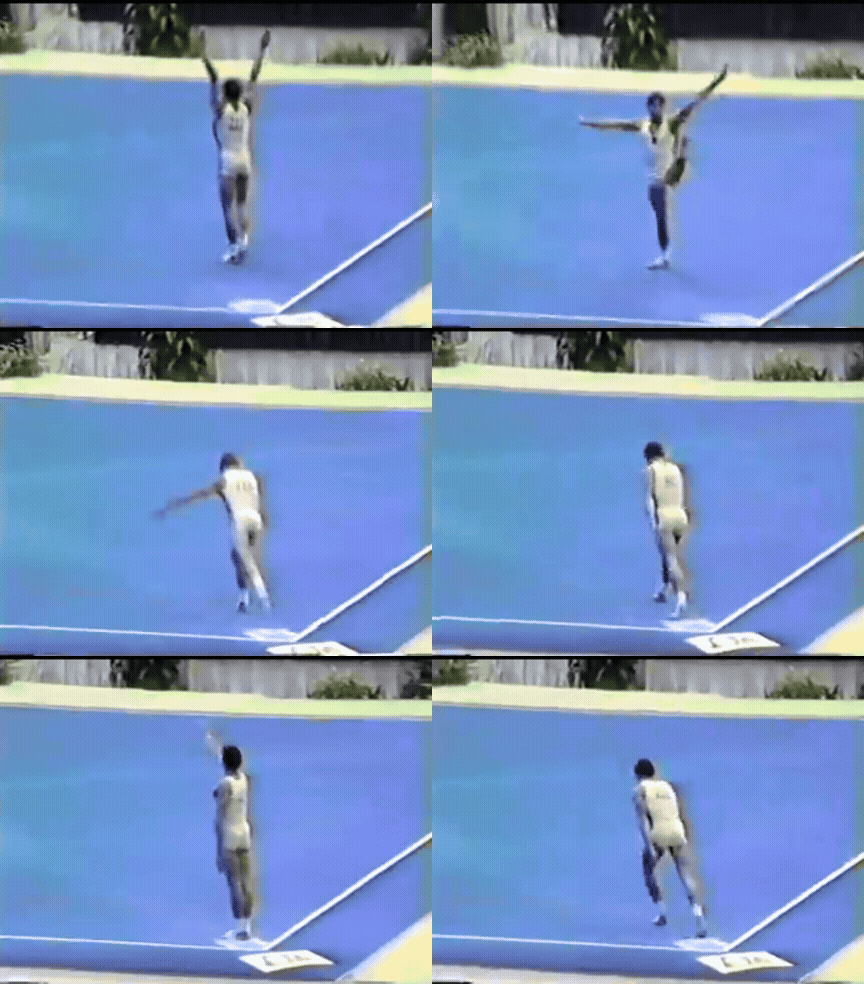
A Cabriole is a hop where the feet do a quick beat together.
It can be done with the feet in front, behind, or to the side (as shown below)

Almost any jump or leap can also be performed to a kneeling position, such as this small tour jeté.
The quick brush of his arms backwards during the kneel and windmill arm action as he stands and steps back
with a lift of his head, adds detailed expression while sneaking him an extra moment to breathe.
On the Floor
A brisk kneeling position can be used for precise positioning in the corner
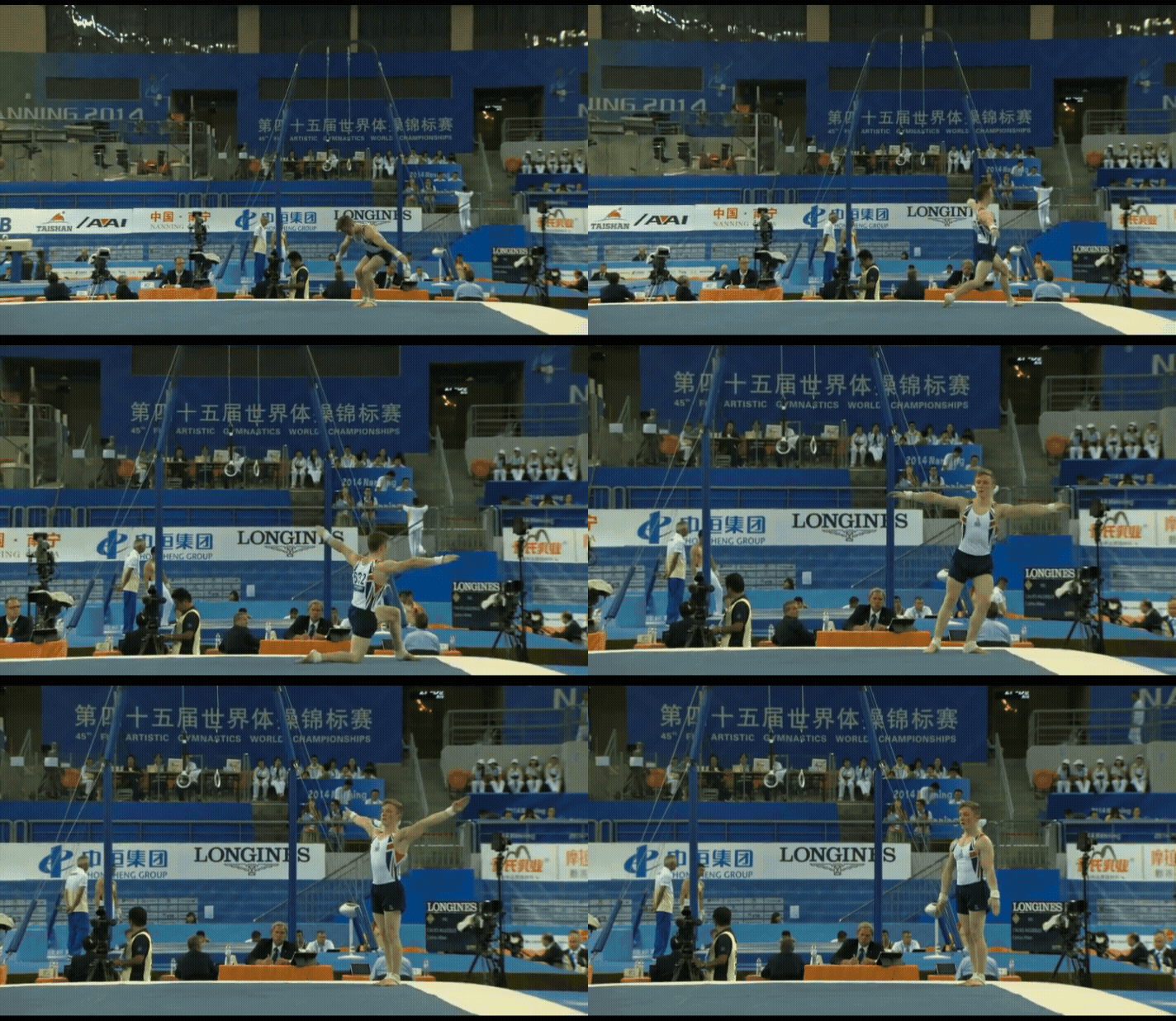
The kneeling positions below are followed by a small chassé to inch them toward the corner.
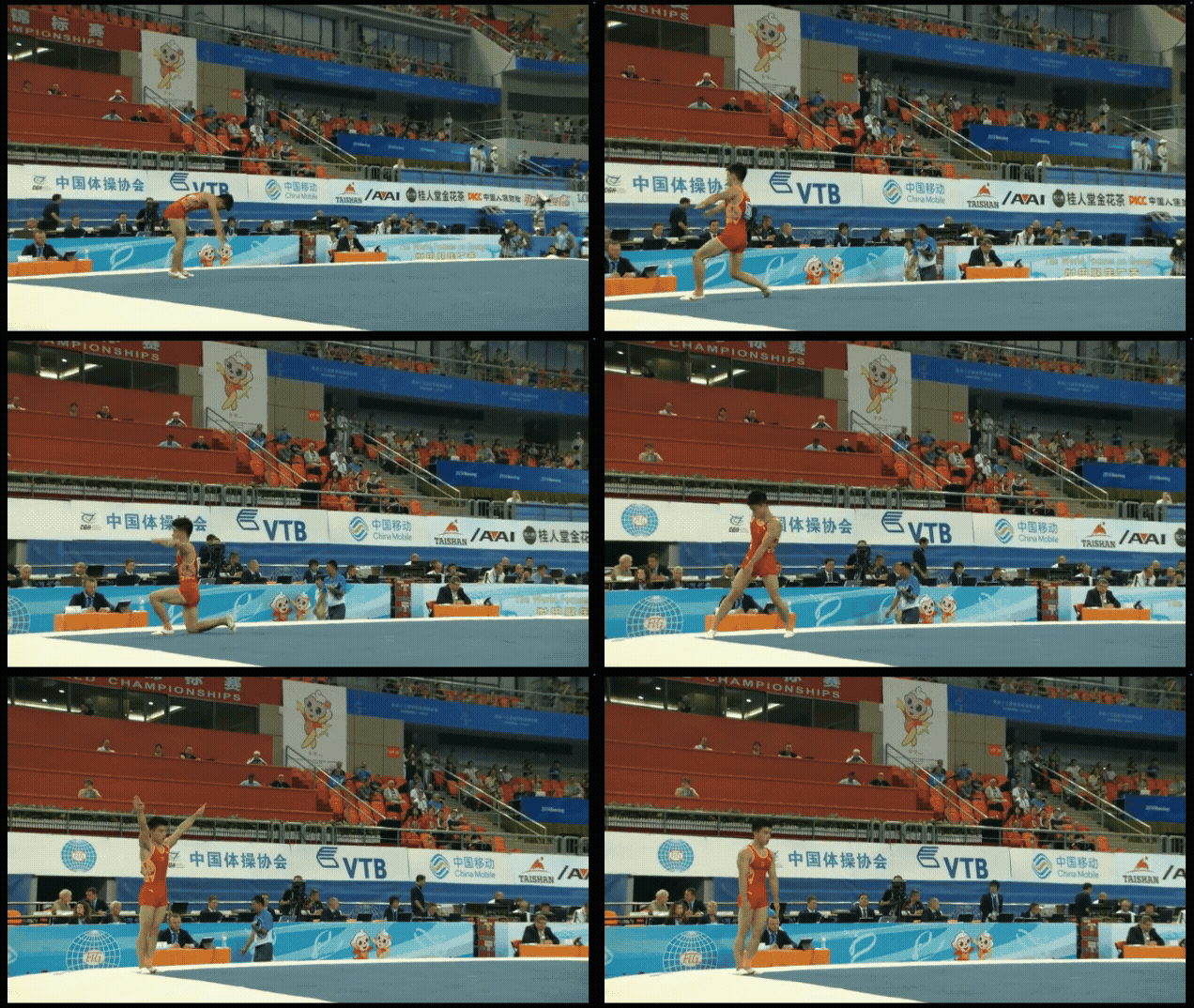
The arm choreography during the chassé in the example below makes the chassé more artistic
than the one above, which would be deducted for "lack of artistry"
The flexed position of the back foot during the kneel on the gymnast above further contributes to his lack of artistry
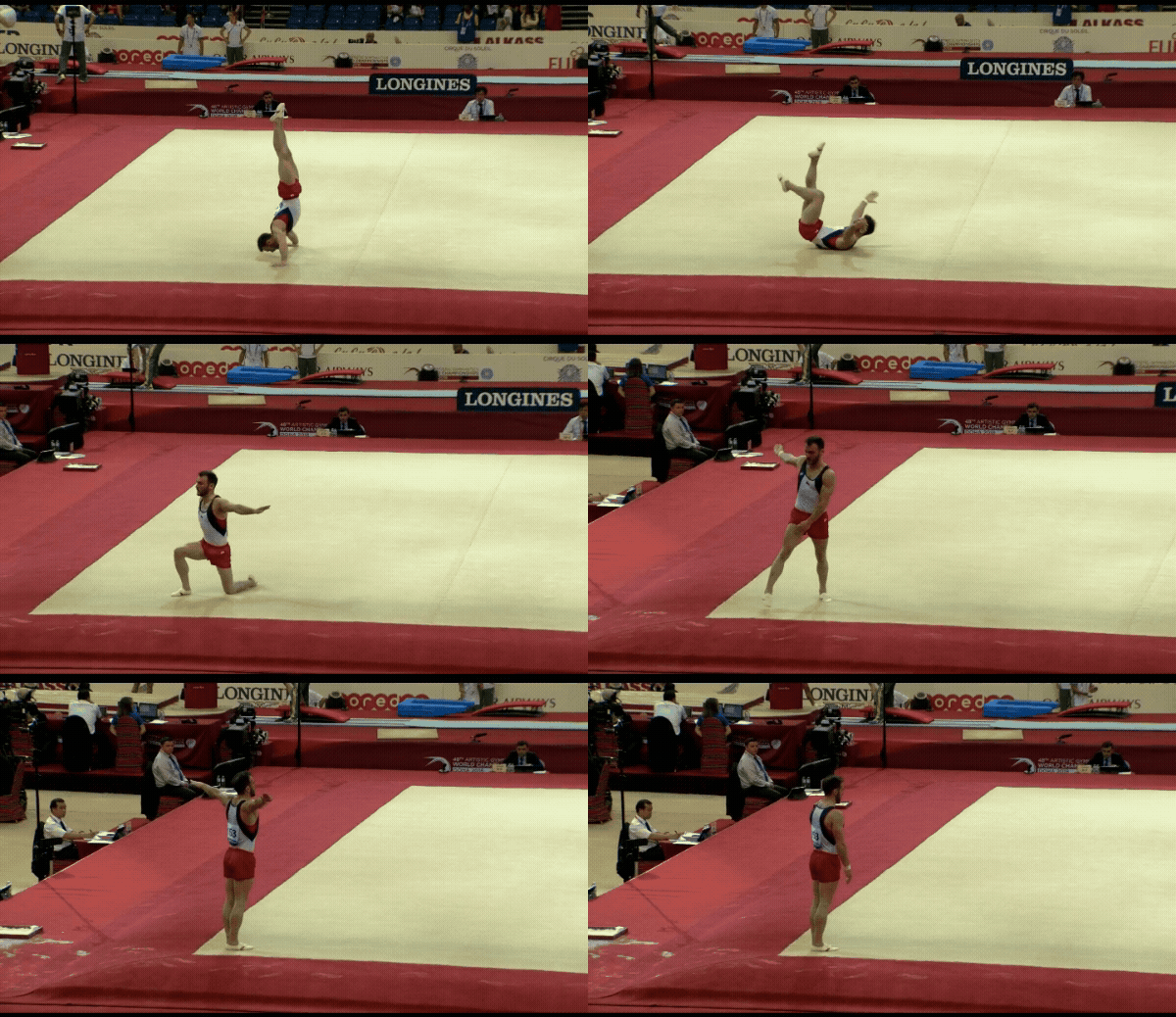
Jumping down to the kneeling position (below) makes it more dynamic.
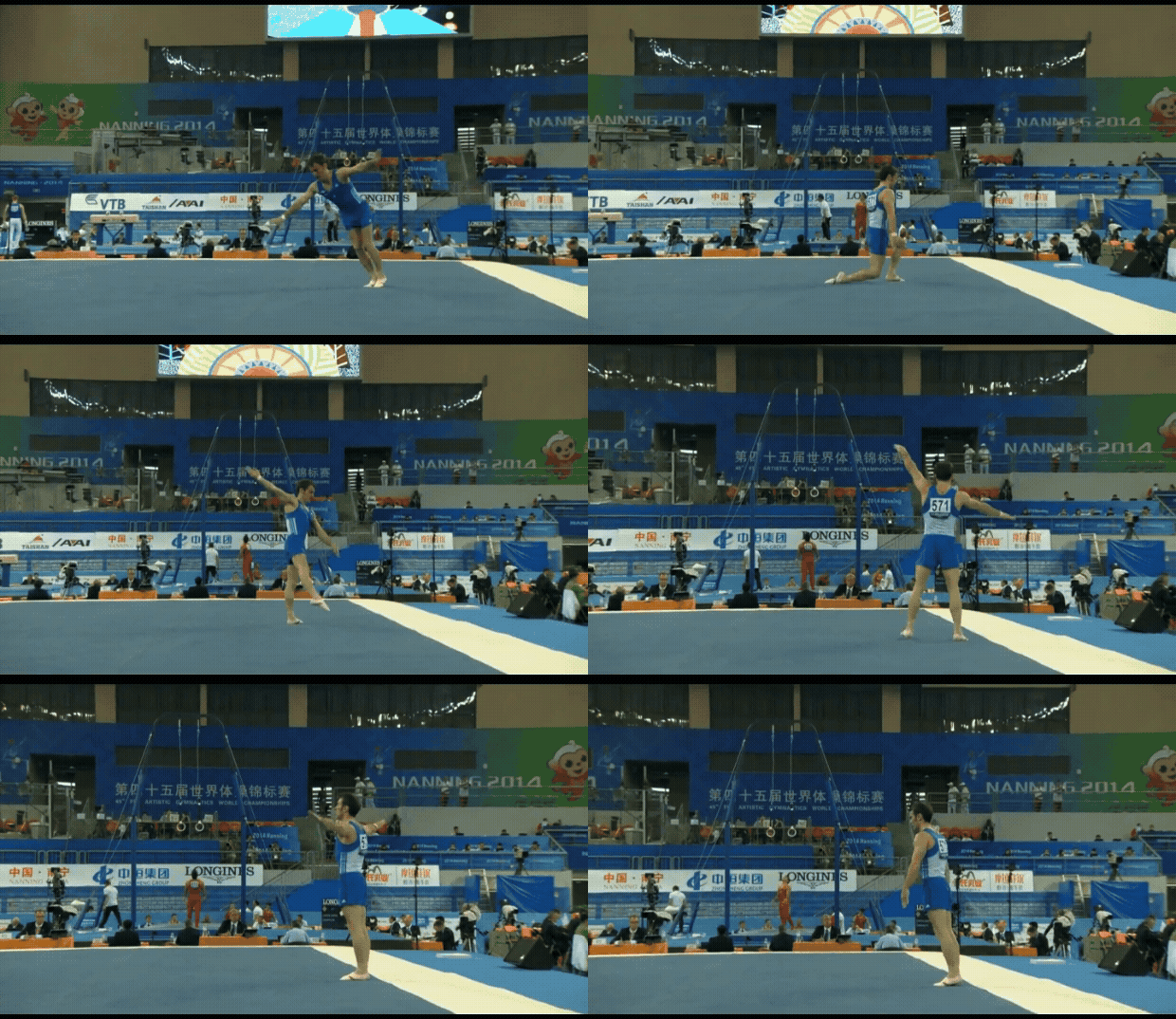
The kneeling position can also show extension (below)
Simple variations can make easy movements stand out
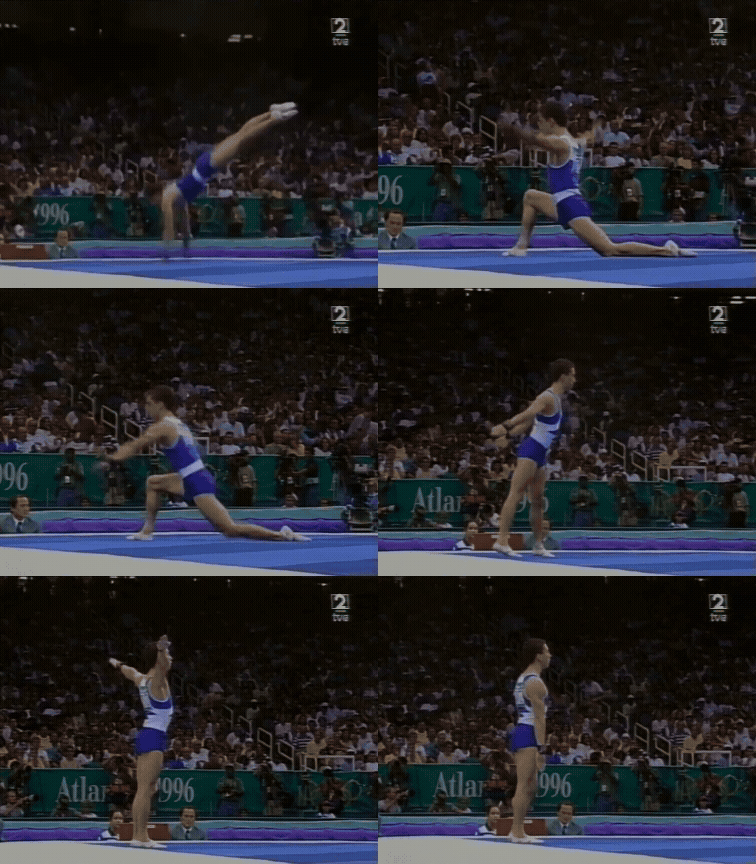
Even a basic movement, like rising up from a split position can be done with artistic flair.
Sublte head movments can make plain movements special
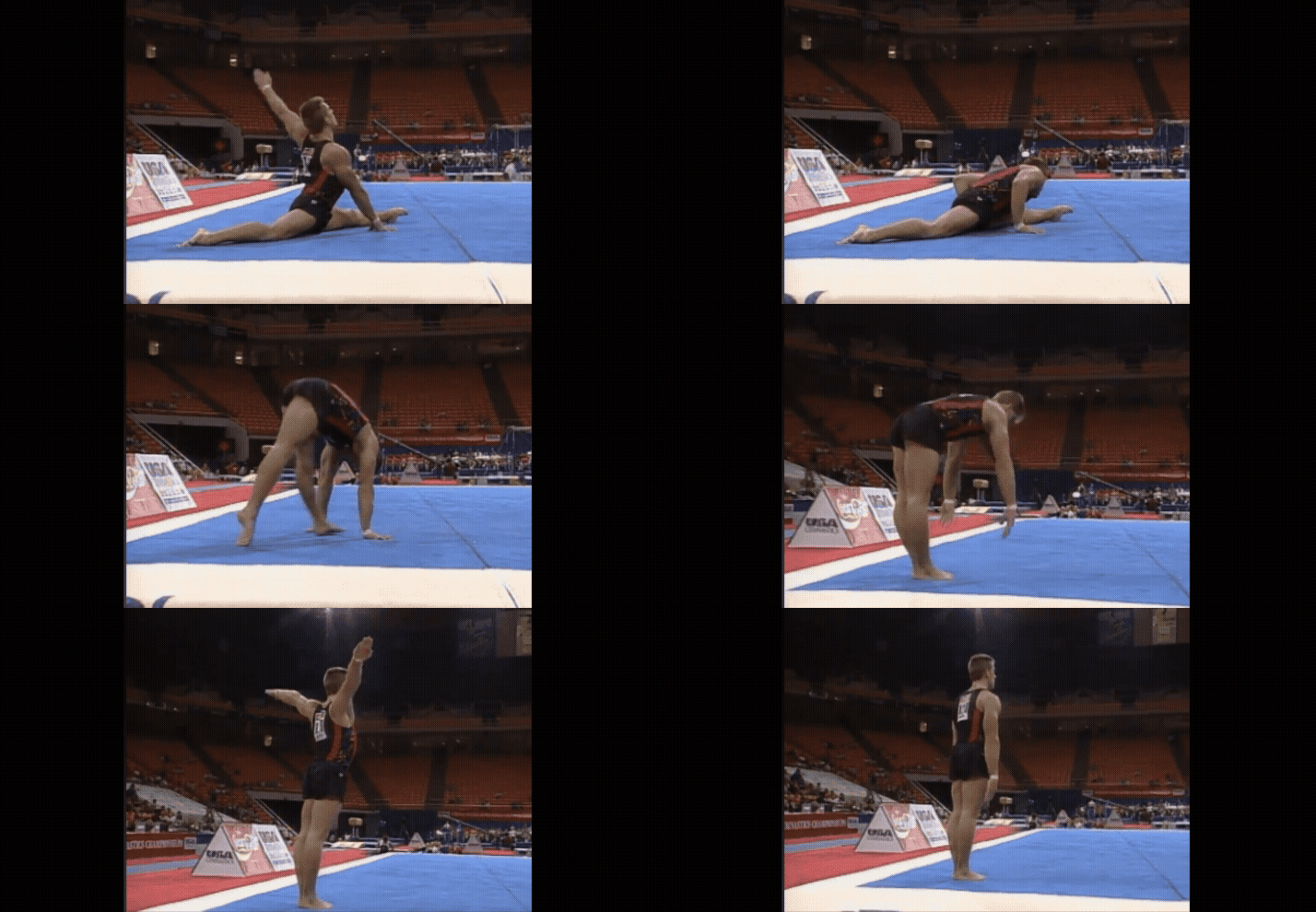
Asymmetrical movement can be eye-catching
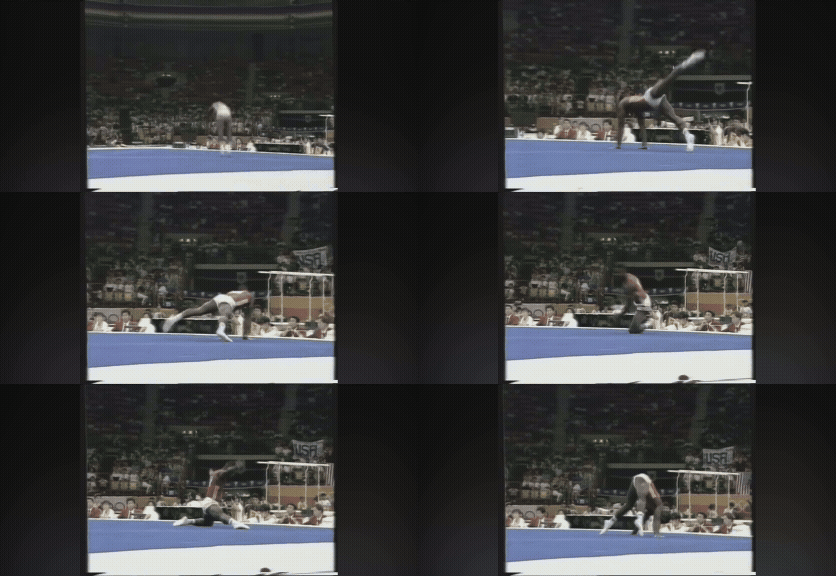
The head movement following the extension of the arm during the split below adds style
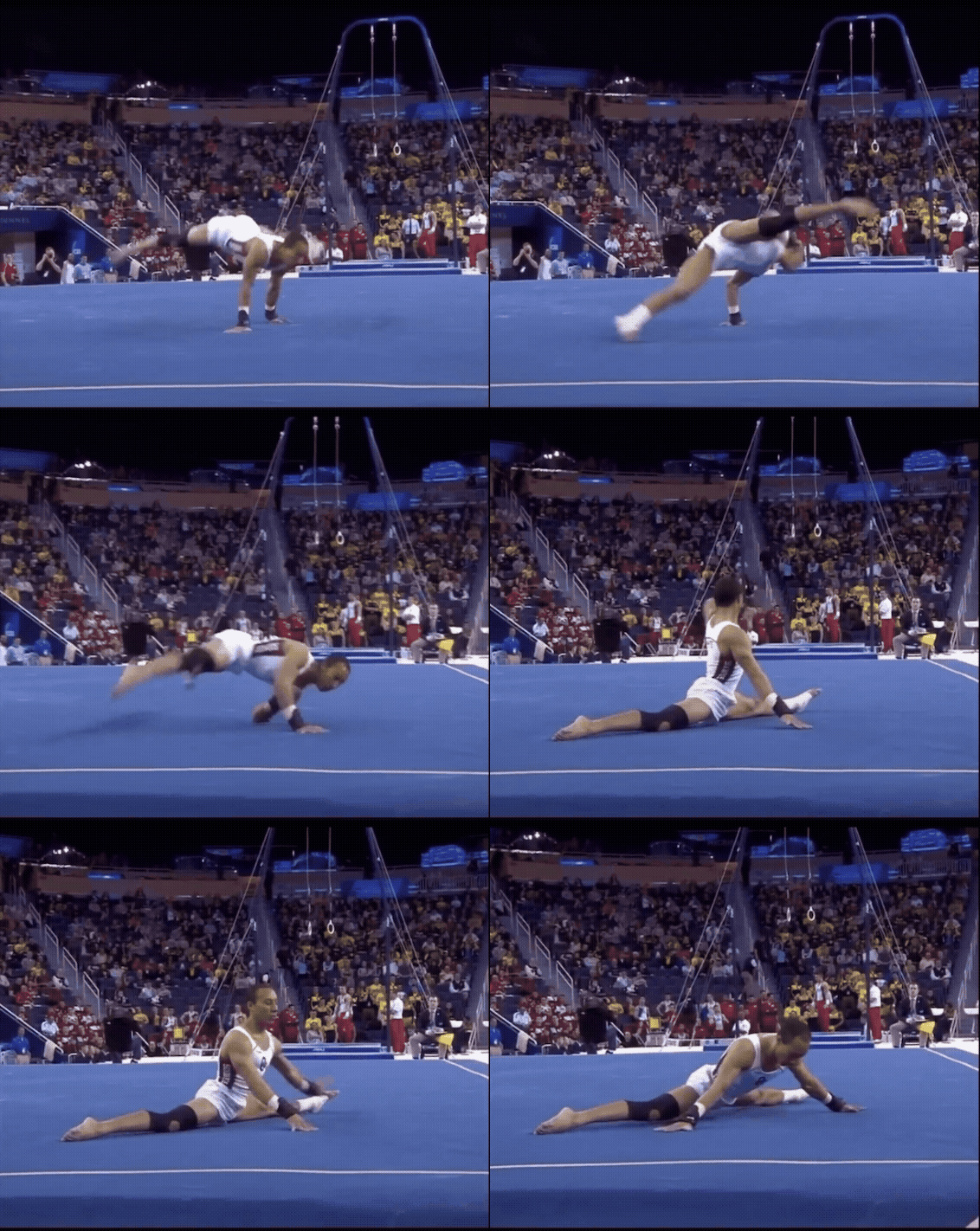
Breakdance moves can get creative. His little head nod during the split exudes confidence. (below)
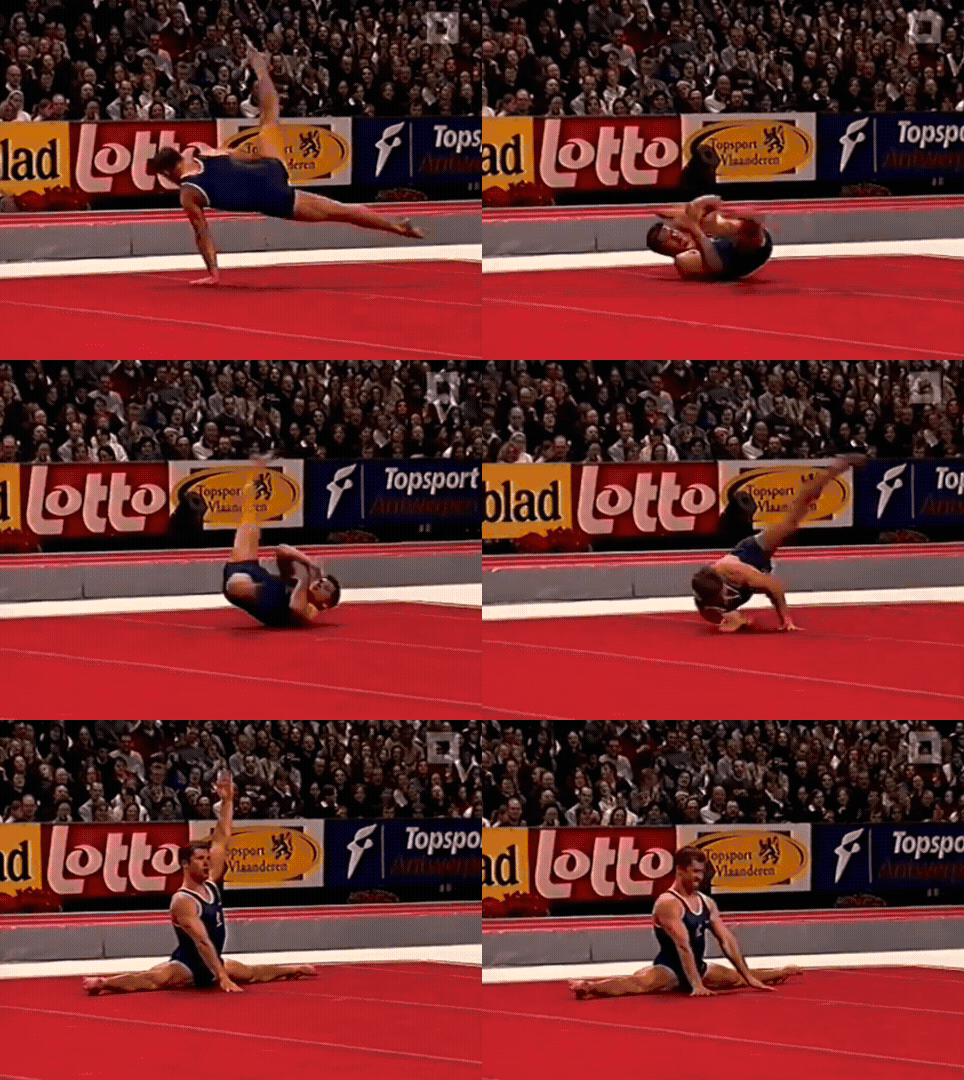
The gymnast below has intentional movement with his head and arms throughout the sequence below.
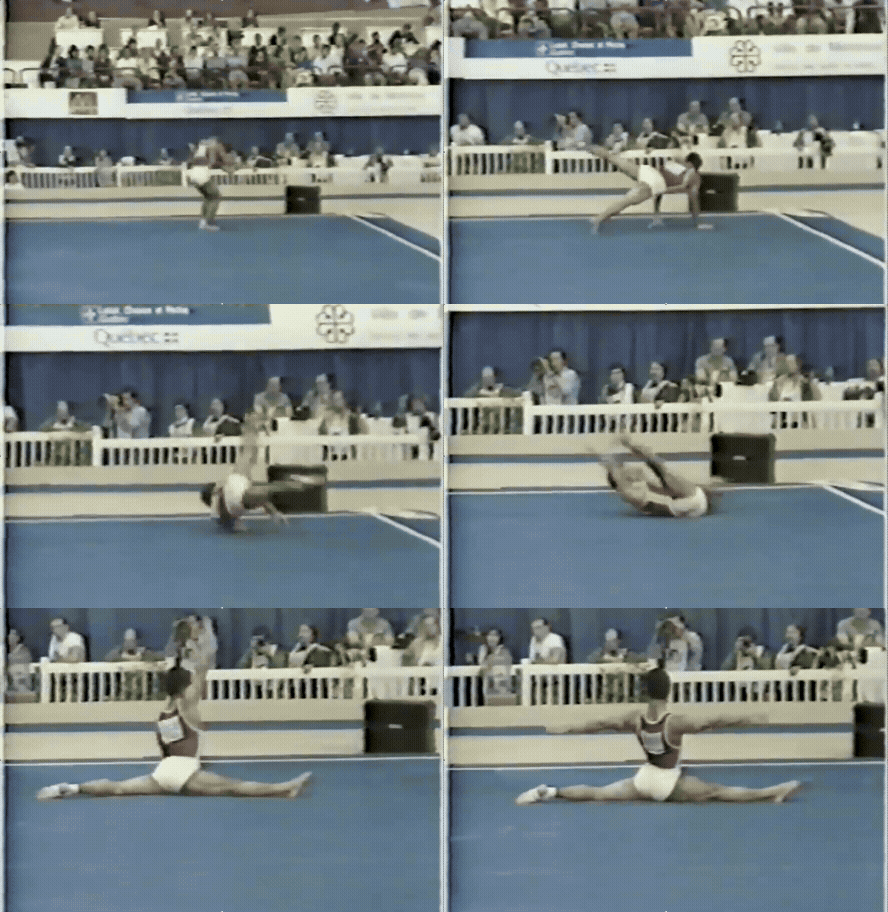
Saltos must demonstrate controlled landings.
However, there are no rules against using bounding elements, such as round-offs,
or this back handspring (below), to catapult into jumps.
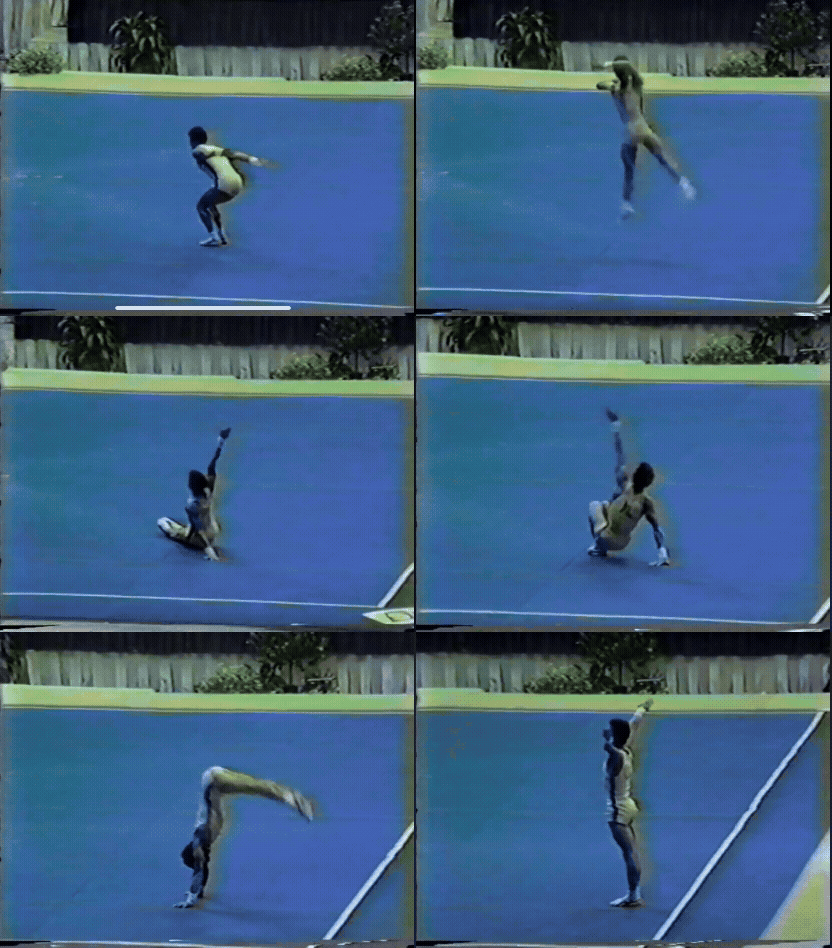
Non-listed elements
Non-listed elements can be used as part of choreography
However, the gymnast should demonstrate intentional positions and movements
while entering and exiting them
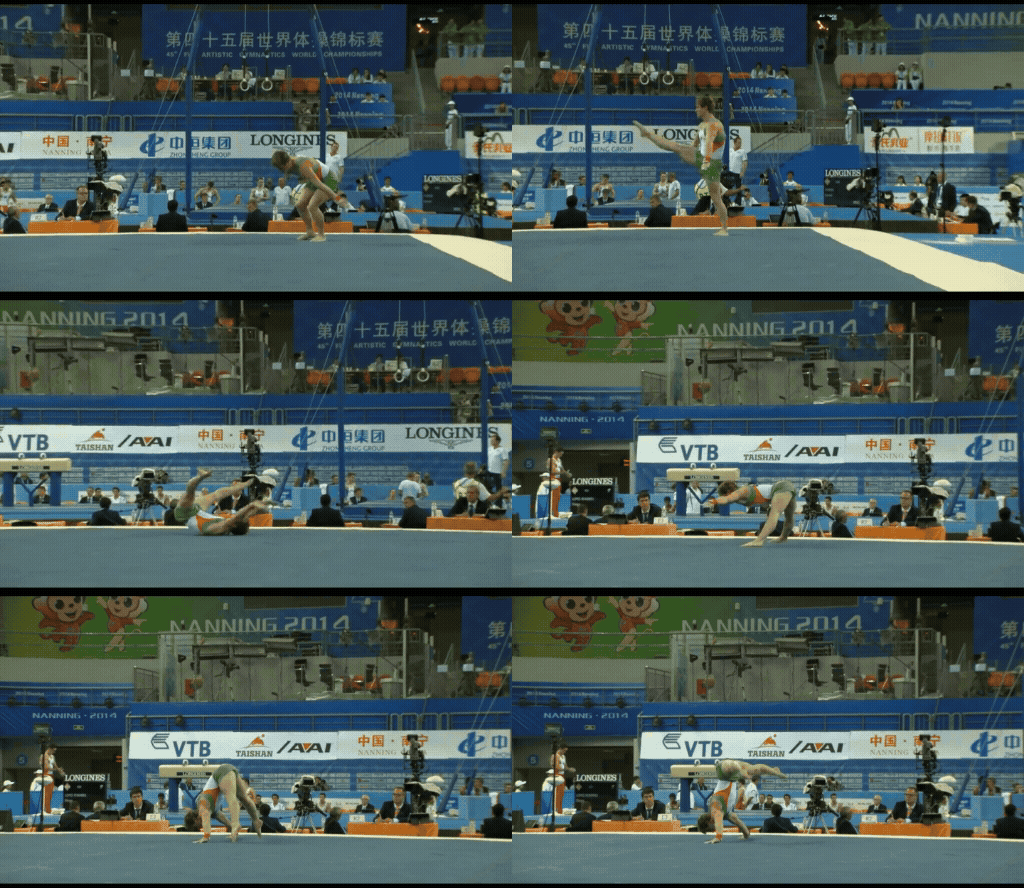
Non-listed elements can come from a stand, the knee, or other creative entry positions.
We see some non-mirrored arm movements in the video below.
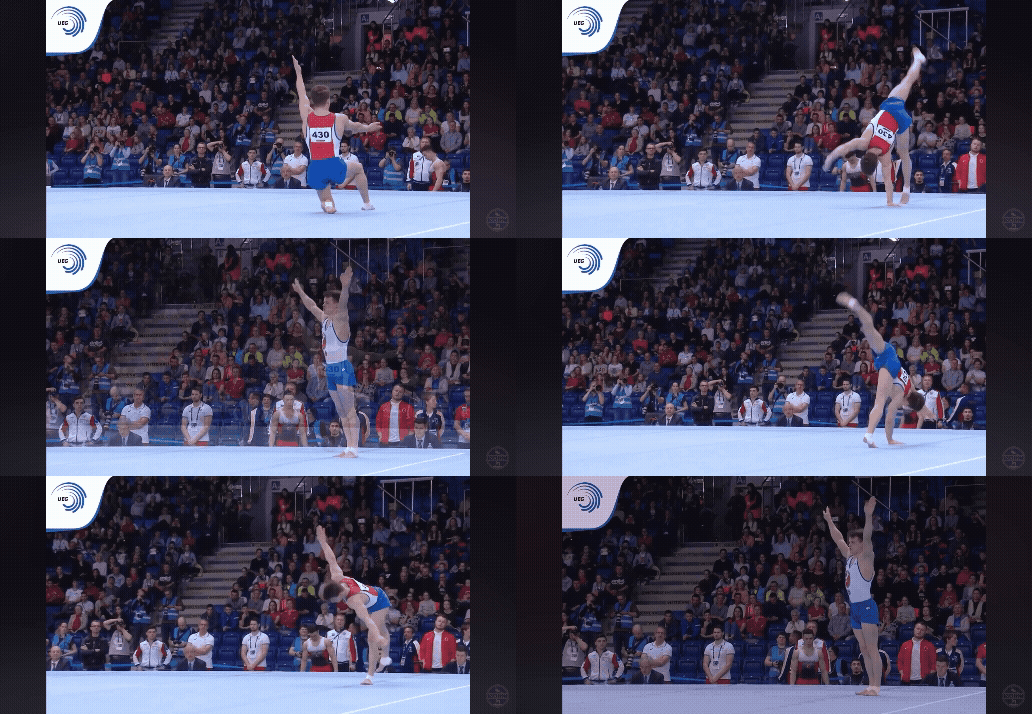
The example below uses three different types of arm movements during this short sequence:
1. A single arm circle before the cartwheel
2. Arms by his side following the cartwheel, which is a noticeable,
deliberate contrast since his arms are usually above his shoulders
3. A bent arm push forward action into the straddle pancake
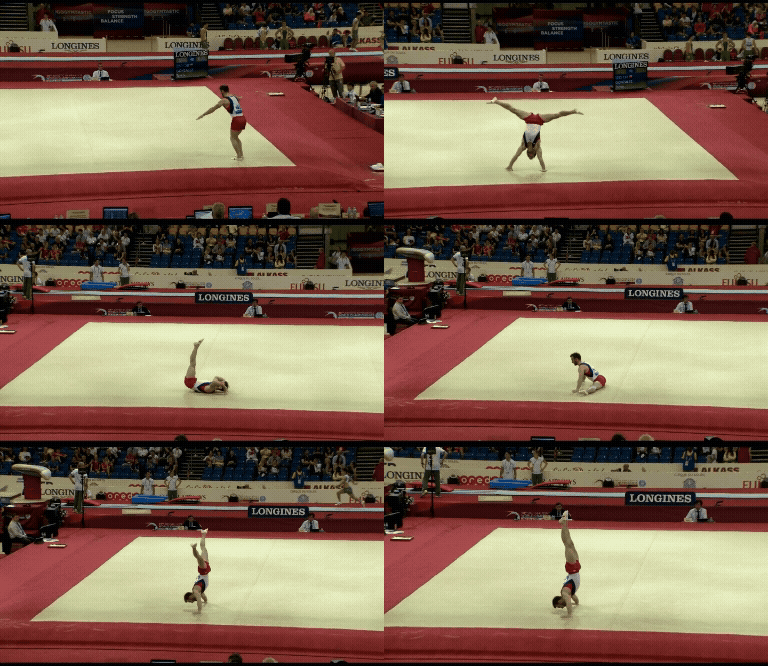
Below is a perfect example of "It's not What you do, but How you do it."
All he is doing is a Jump 1/2 turn, Cartwheel, and Swedish Fall.
All basic movements that a beginning gymnast can do.
However, he maintains great extension throughout, adds a little push-dive into the cartwheel,
and has a fluid motion into the Swedish fall with his head lifted
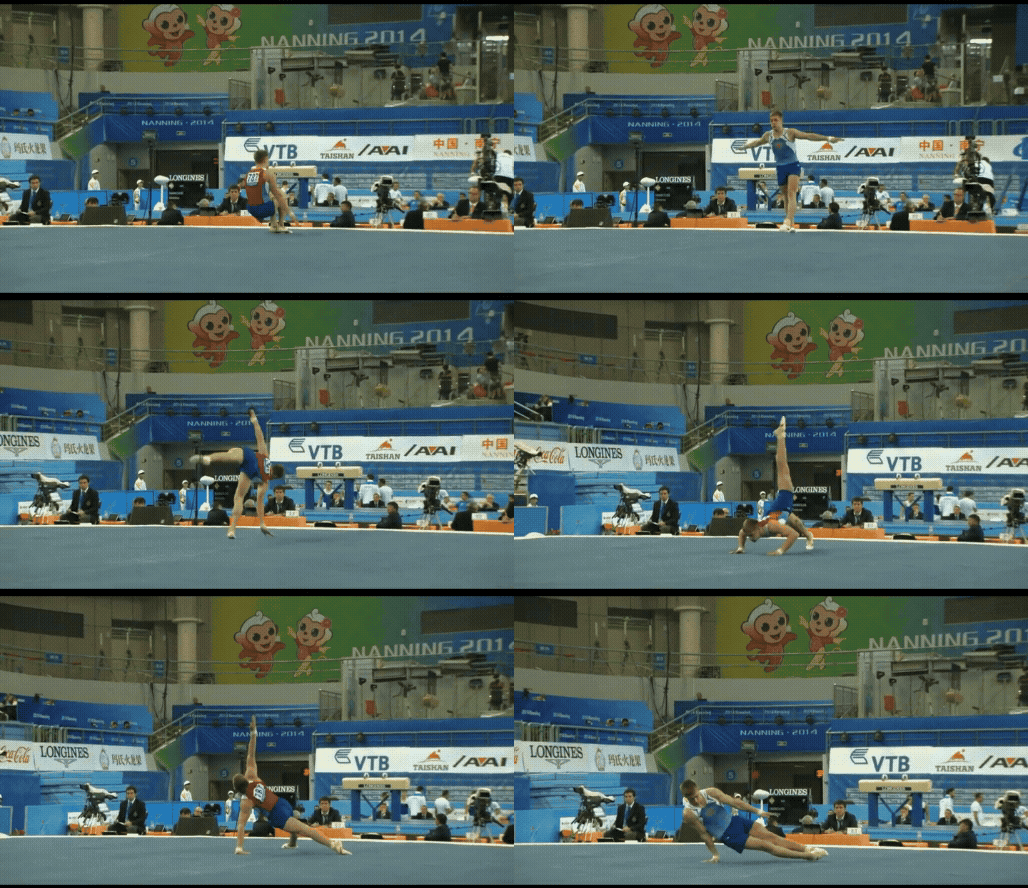
Aerials take a little more effort.
The gymnast below has a fun little hop turn after he rolls up that could be used before a regular cartwheel, or other element.
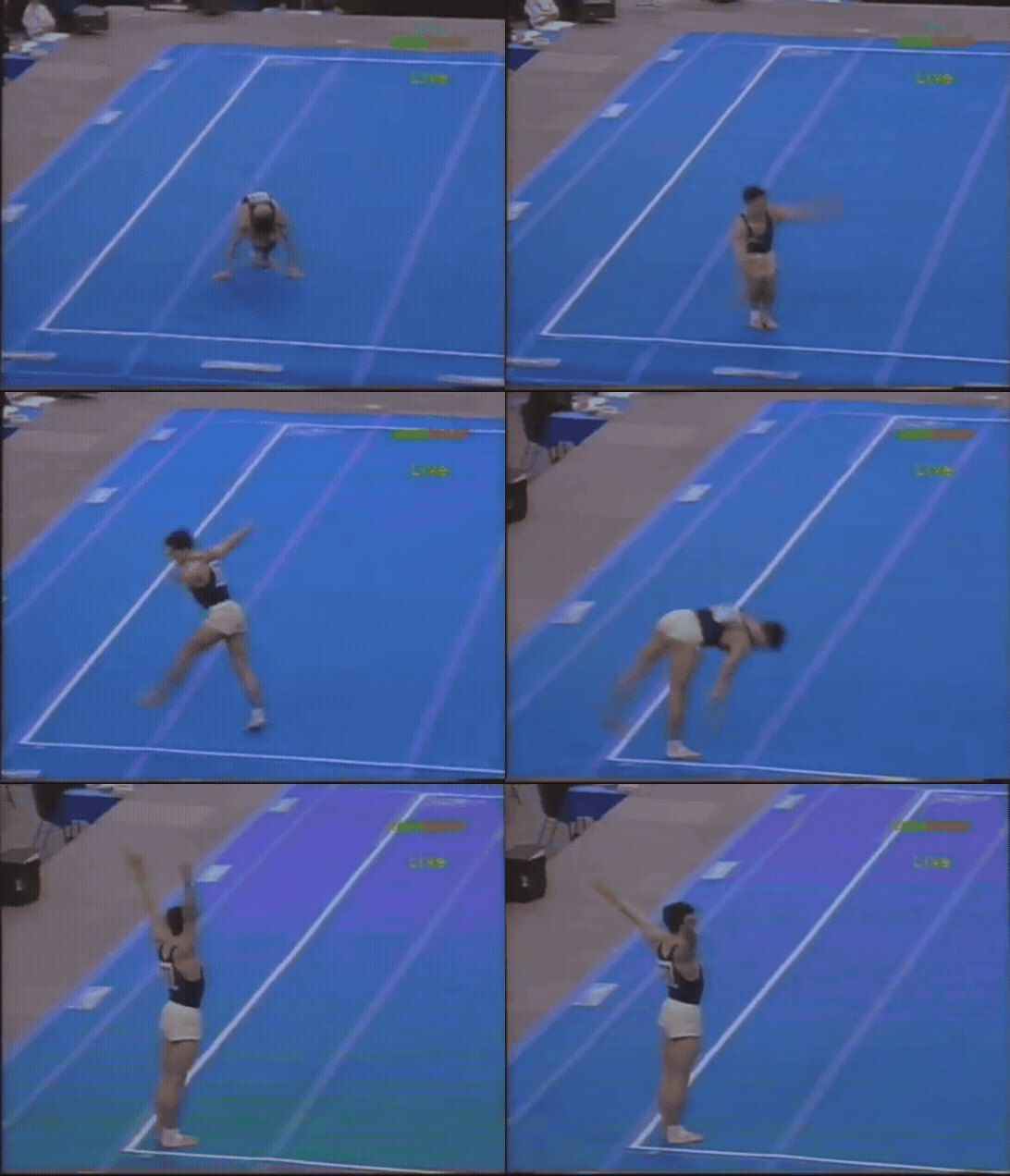
The straight leg roll up (below) has a clean look to it.
He also uses contrasting arm movements; sometimes up, sometimes down between elements.
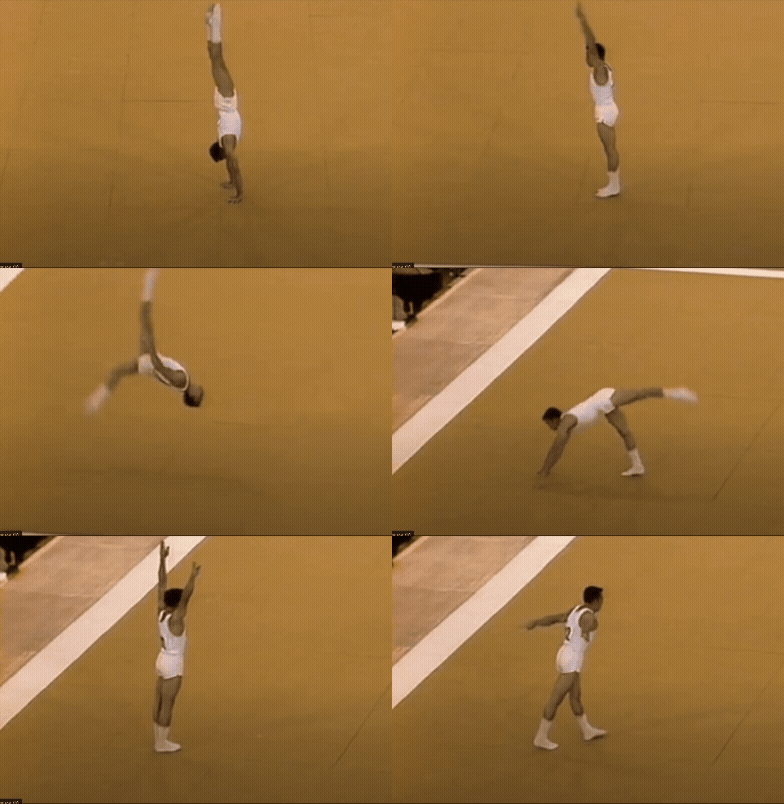
Sequences
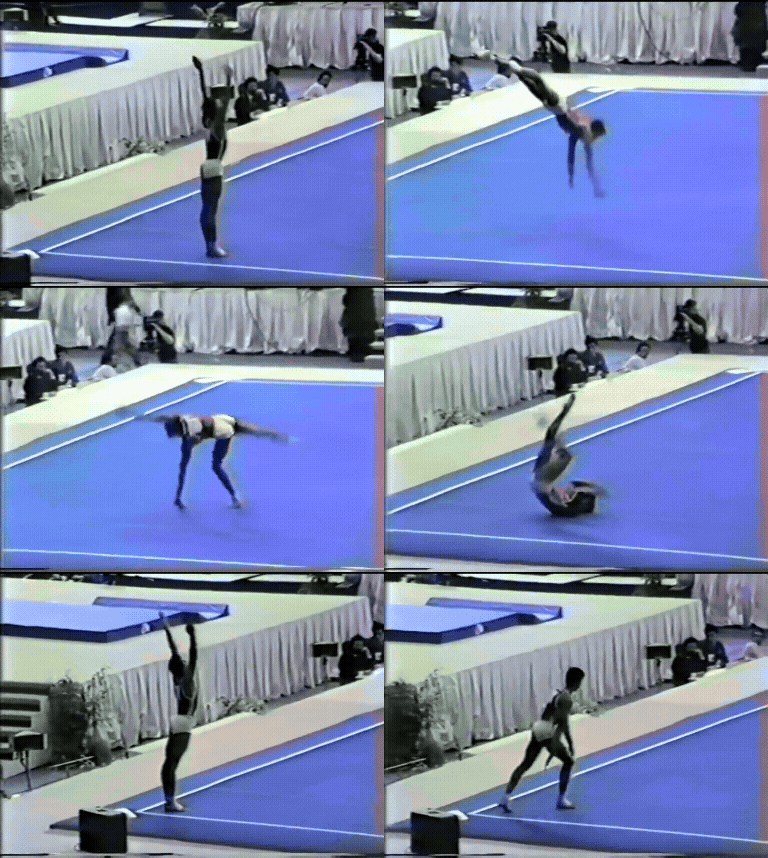
Basic moves done with extension and precision (below)

Just adding an easy one foot turn makes the overdone transition jump and common Swedish fall look special. (below)
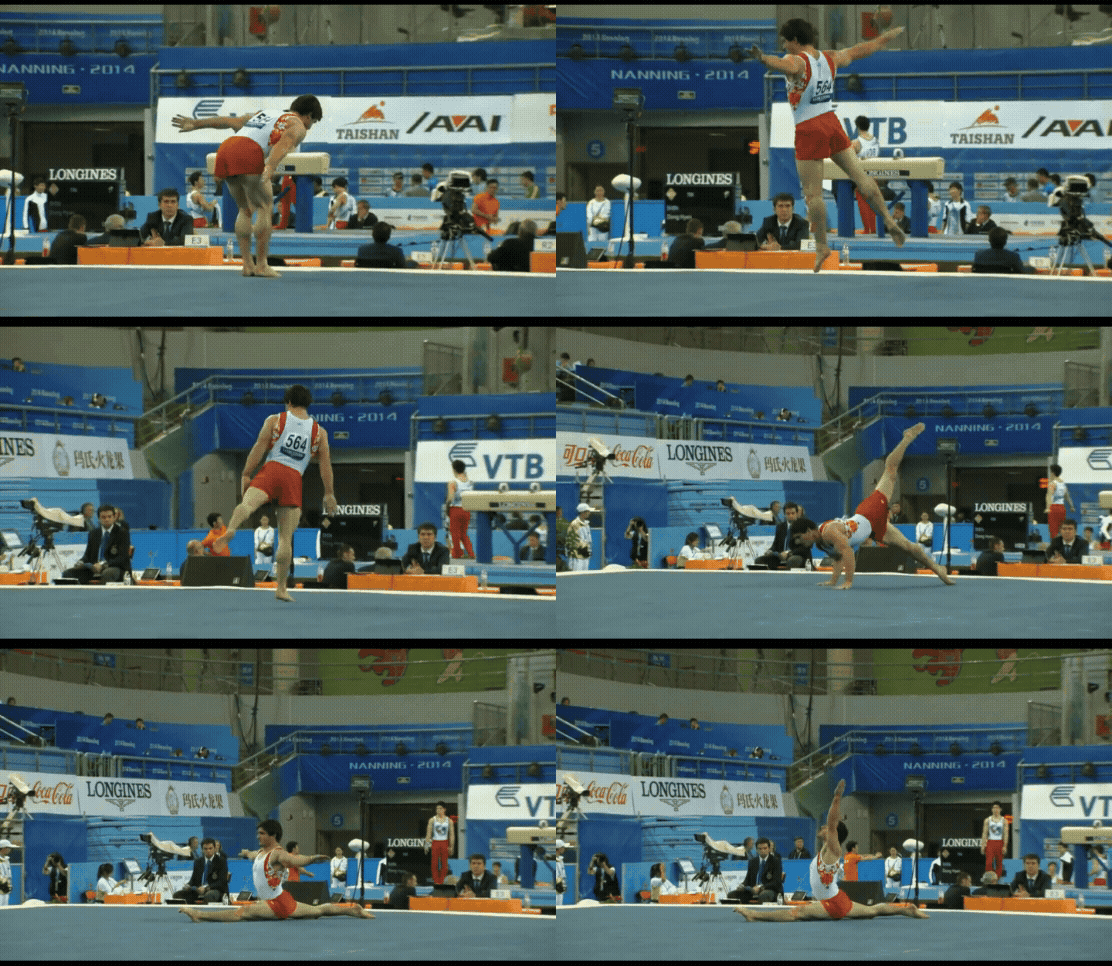
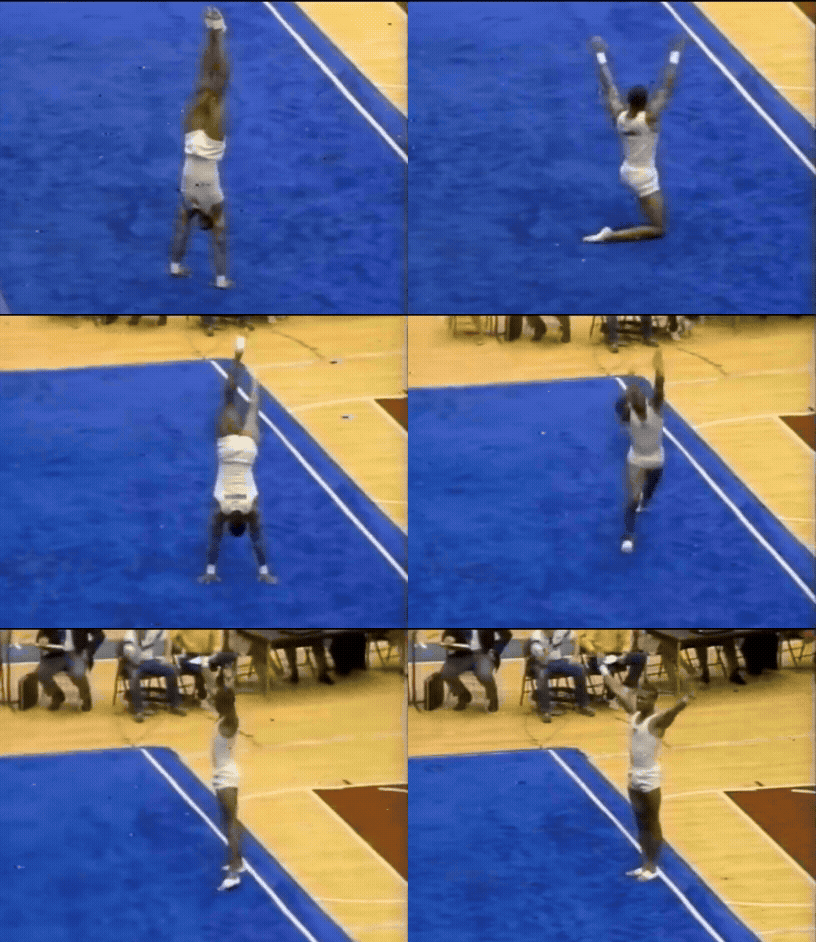
An innovative entry and exit for the handstand puts him precisely where he wants to be for the next pass.
Also, notice the kick with the leg well above horizontal as he goes into the handstand.
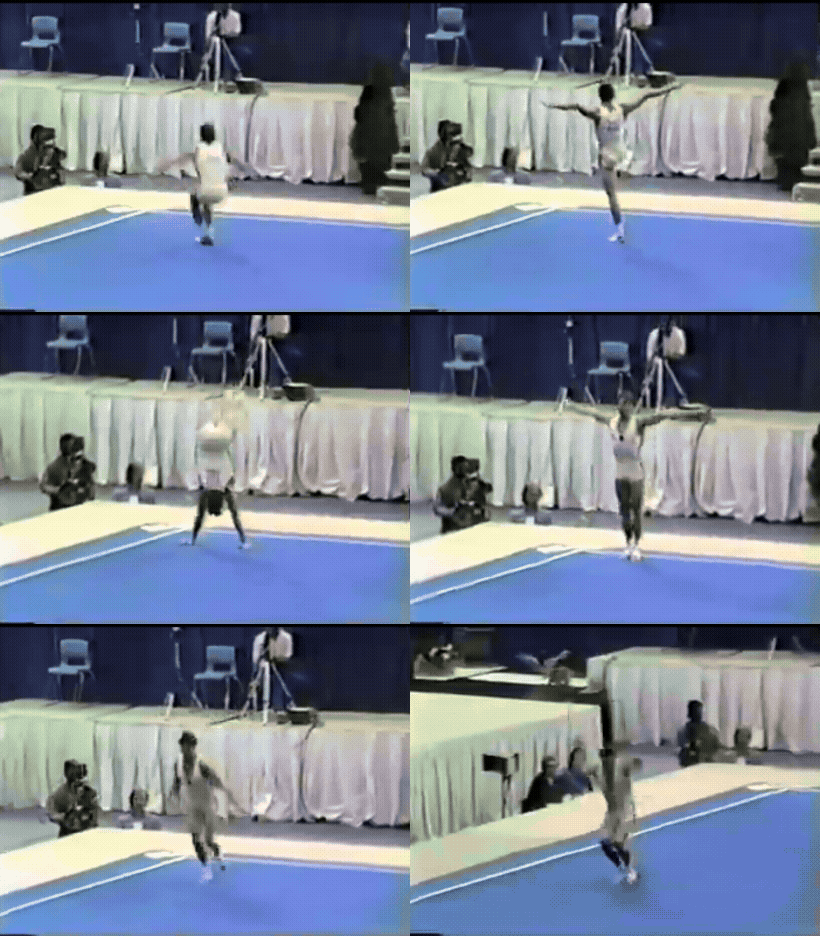
Continuous flow between elements is what is at the heart of the new artistry rules.
This pass would be even more dynamic if he lifted the leg a little more on the first step so it was above horizontal,
and had a little more bend in the leg during his stag position
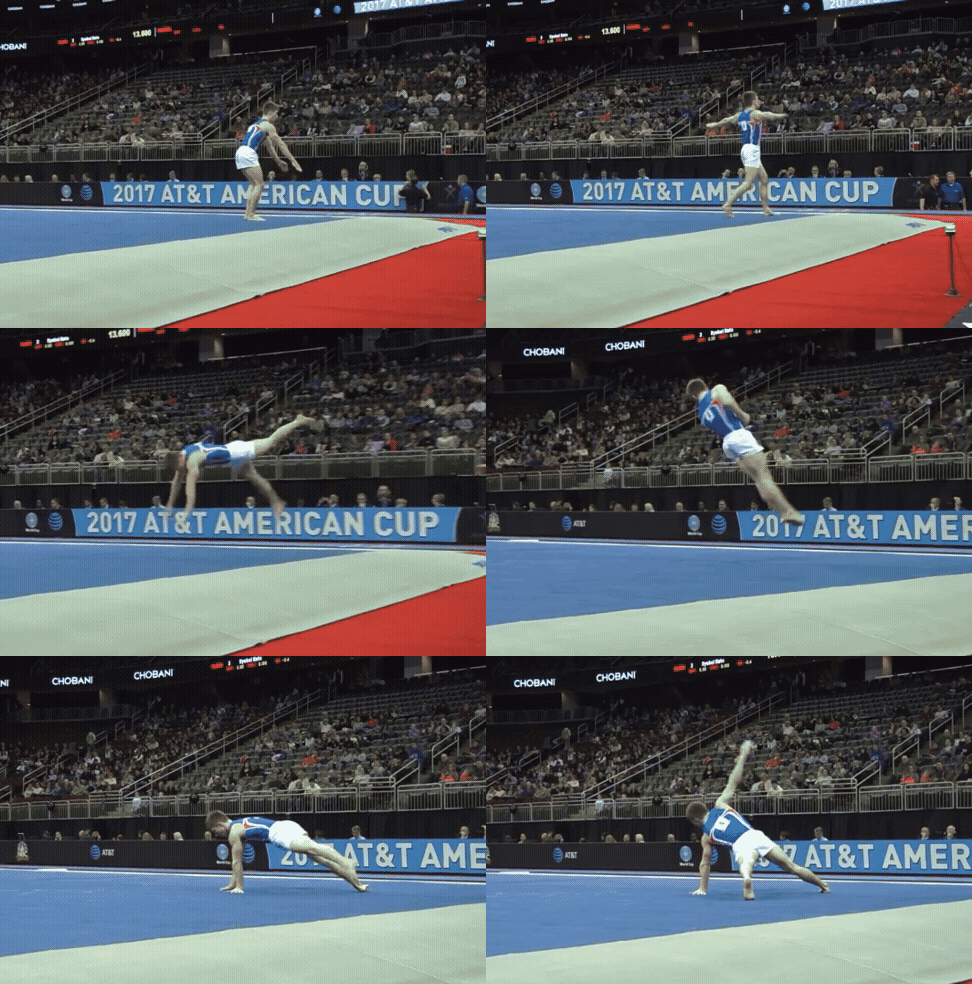
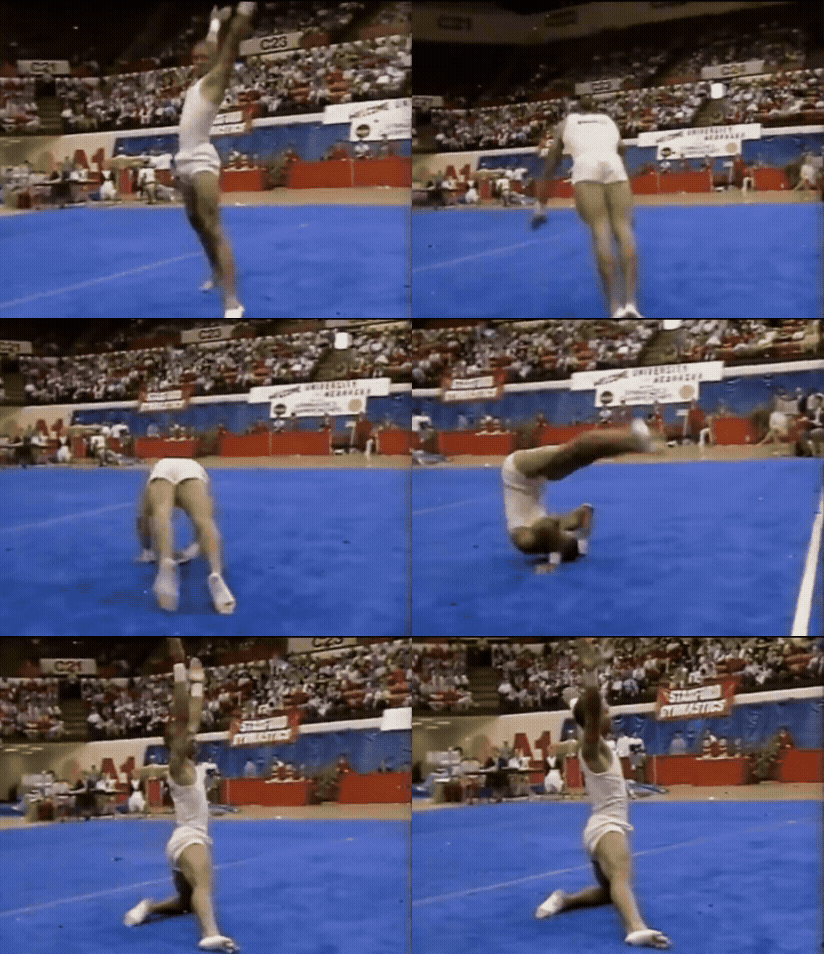
A front walkover and back tuck are listed elements.
As unique as the combination is below, it has the potential to receive landing deductions under the current rules.
The cool thing about aristry is that you make it your own.
You can do as little or as much as you want.
You can make simple movements artistic,
or you can do full-out dance choreography.
The end result is to bring individuality and variety to floor routines
For those looking to do a little bit more,
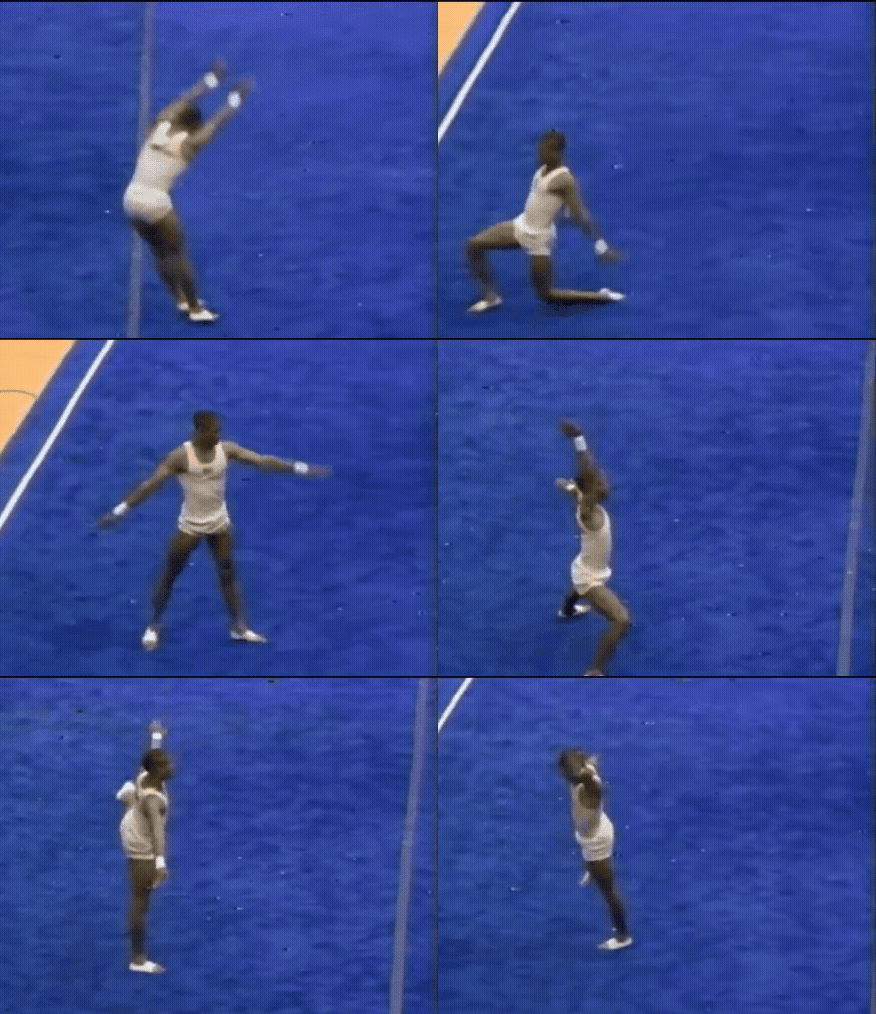
These are poetry of movement.
You can read more about artistry in this blog post
Need more help?
I offer Artistry Clinics for Gymnasts and Coaches,
and am available for video review of routines on all apparatus.